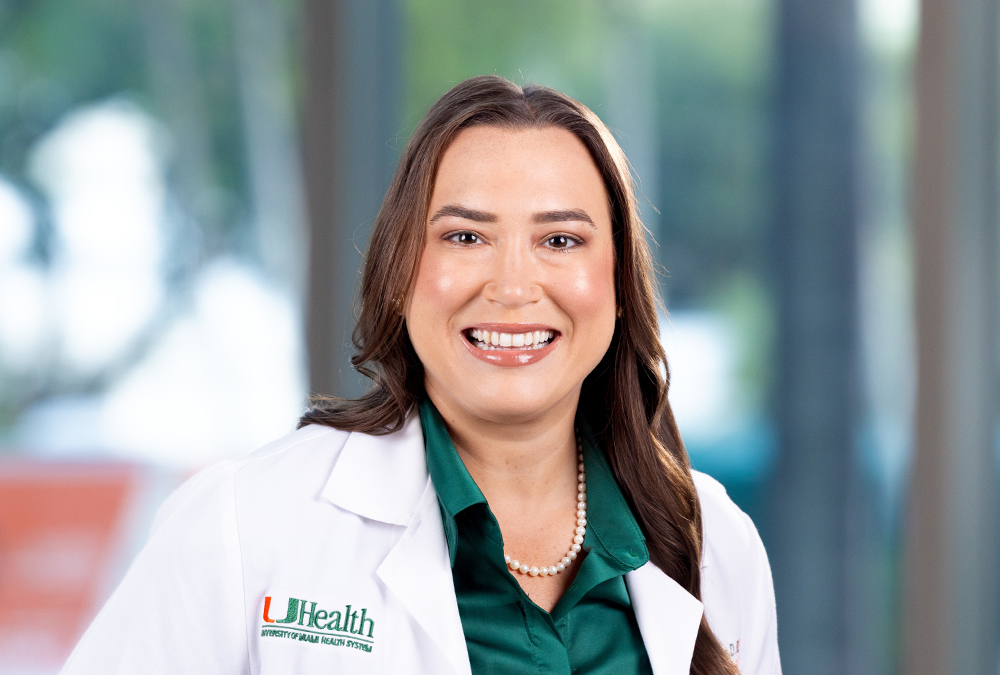
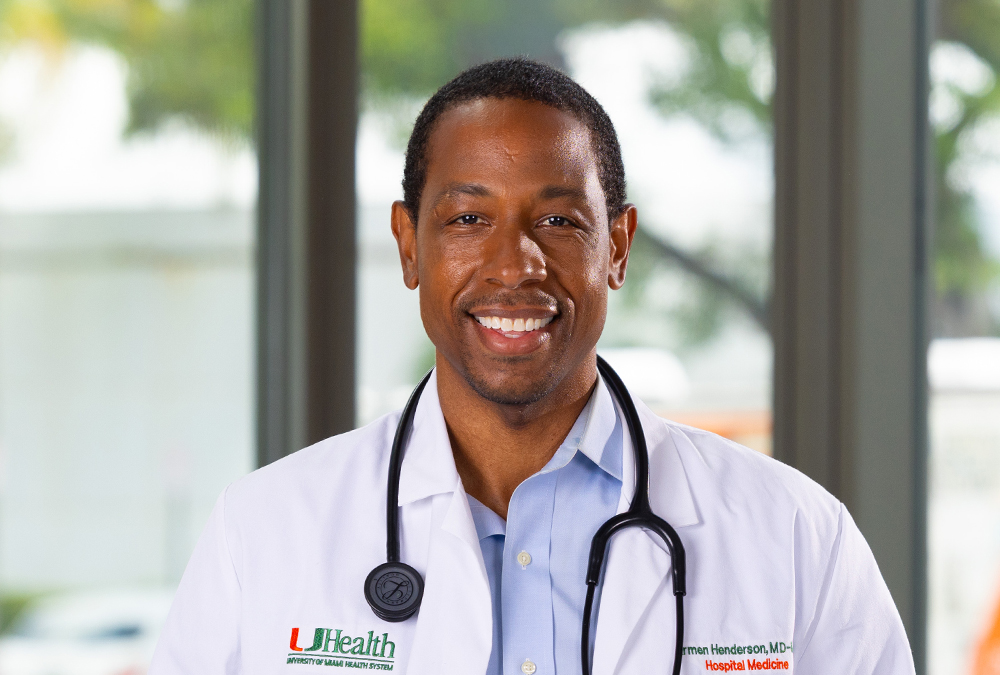
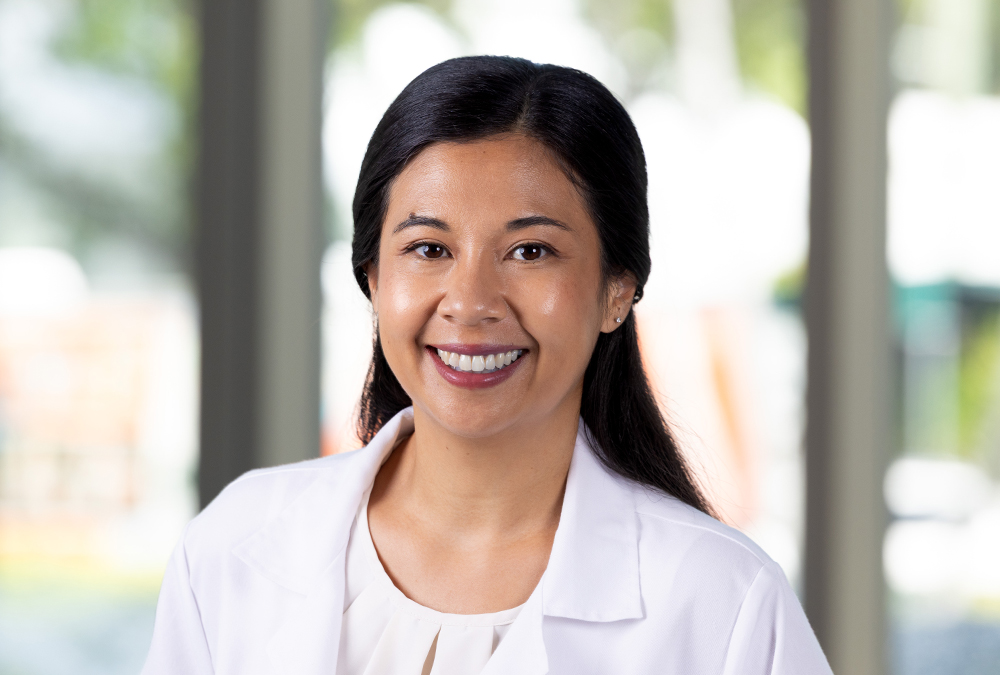
For Elizabeth Greig, M.D., co-director of the Global Institute for Community Health and Development and medical director, the future of disaster medicine extends far beyond the immediate response.
“What excites me in my research is how we are going to change health care delivery in terms of post-disaster impact and preparation for disasters in the future,” Greig said.
Historically, disaster-related health care has focused on emergency medicine and short-term interventions designed to address urgent needs in the aftermath of a crisis. However, research is revealing that disasters can have lasting effects on physical and mental health long after the initial emergency has passed.
As scientists and clinicians learn more about these long-term impacts, Greig believes health care systems must evolve to better support affected communities. That includes improving disaster preparedness, strengthening recovery efforts and developing new approaches to long-term patient care.
By studying how disasters influence health over time, researchers can help shape more resilient health care systems and improve outcomes for vulnerable populations. For Greig, advancing this understanding is key to ensuring communities receive the care and support they need both during and after a disaster.