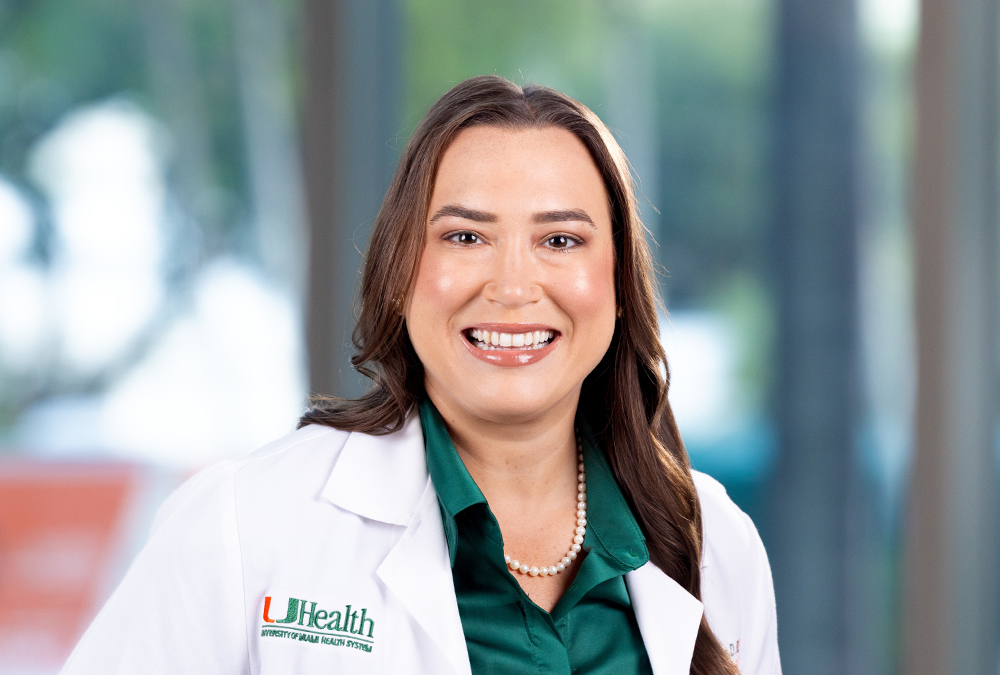
For Nicole L. Pontee, M.D., assistant professor of physical medicine and rehabilitation, recovery is about more than treating a diagnosis. It is about helping patients regain function and reconnect with the activities that give their lives meaning.
“Regaining function after a life-changing process or procedure is everything for a patient,” Pontee said.
Rehabilitation medicine focuses on helping individuals recover strength, mobility and independence following injury, illness or major medical treatment. Pontee believes successful rehabilitation begins by understanding each patient’s goals, interests and lifestyle.
Rather than taking a one-size-fits-all approach, Pontee and her team tailor rehabilitation programs to meet each patient’s unique needs. Whether a patient enjoys running, playing sports or participating in other activities, the goal is to find adaptive strategies and equipment that support a safe return to those pursuits.
By focusing on personalized care, rehabilitation specialists help patients build confidence, develop strength and discover new ways to achieve their goals. While function may look different after a life-changing event, Pontee encourages patients to embrace their abilities and continue pursuing the activities they enjoy.
For Pontee, rehabilitation is ultimately about empowering patients to maximize their independence, improve their quality of life and return to the things that matter most.