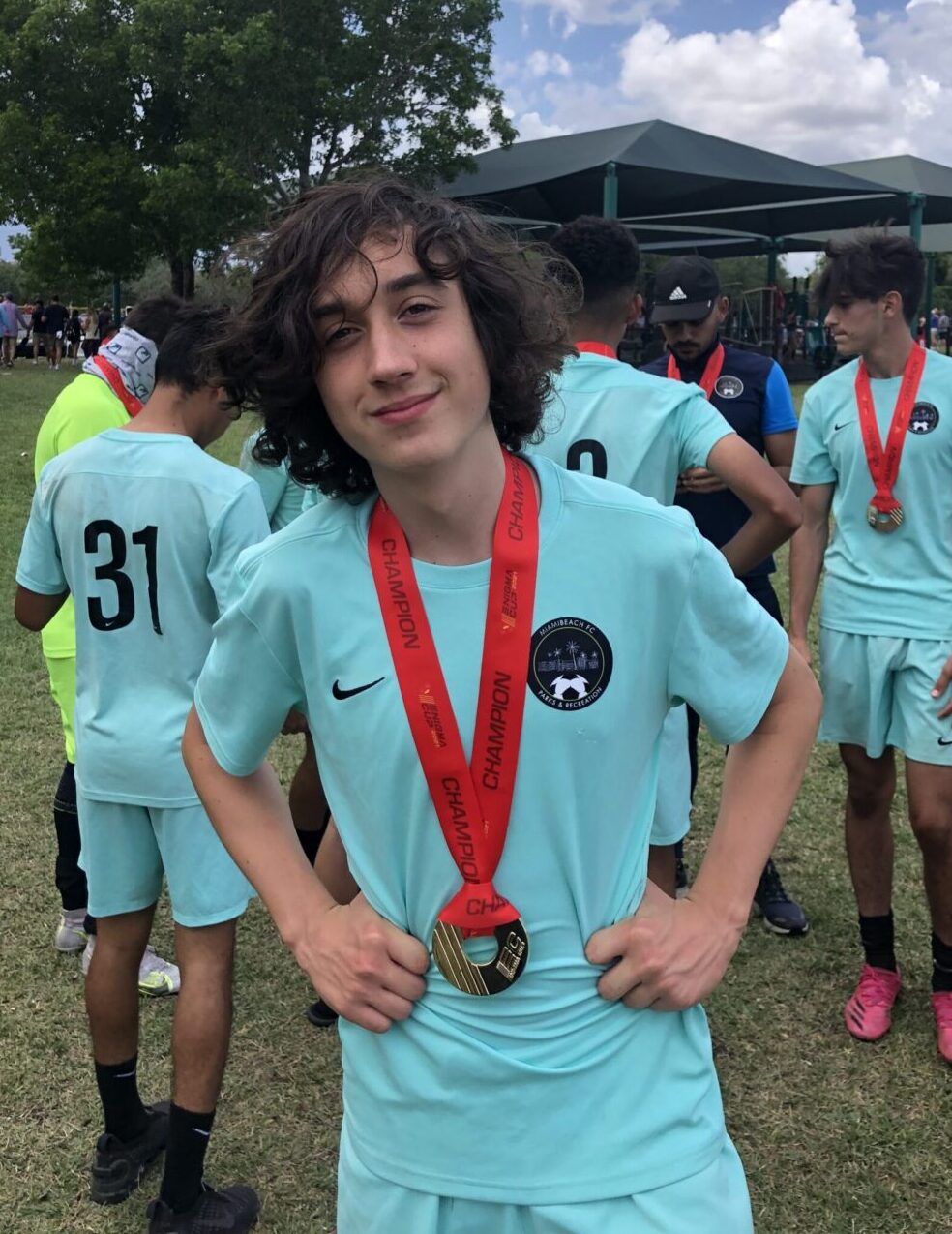
When Austen Prescott, an 18-year-old known for his quick humor and quiet scrappiness, died in 2023 of diffuse intrinsic pontine glioma (DIPG), an extremely rare and aggressive brain tumor, his parents made two key decisions.
First, Catherine and Andrew Prescott donated their son’s tumor tissue to research at the Sylvester Comprehensive Cancer Center, part of the University of Miami Miller School of Medicine. Sylvester is the region’s only National Cancer Institute–designated cancer center and the No. 1 cancer program in Florida, according to U.S. News & World Report rankings. Then, they doubled down on crowdfunding for pediatric neuro-oncology research, helping to raise funds to study cancers that are historically underfunded.
In the past two years, research on Austen’s cancer and other pediatric brain cancers has surged at Sylvester. From advancements in the lab to the development of clinical trials, the work is showing promise against a devastating diagnosis.
“Our greatest hope,” Catherine Prescott said, “is that DIPG isn’t a death sentence in the future.”
Taking Steps Toward New Treatment
DIPG, which affects fewer than 400 American children and adolescents each year, has no cure and only palliative treatments. Before his death 11 months after diagnosis, Austen Prescott underwent two neurosurgeries, 40 rounds of radiation and four experimental chemotherapies through three clinical trials outside of Miami.
Austen’s donated tumor tissue was added to Sylvester’s tumor bank, which has samples of pediatric brain tumors. Researchers in the laboratories of Antonio Iavarone, M.D., director of Sylvester’s Brain Tumor Institute and deputy director of Sylvester, and Anna Lasorella, M.D., co-director of Sylvester’s Brain Tumor Institute and director of Sylvester’s Precision Medicine Initiative, grew Austen’s tumor cells as “three-dimensional cancer organoids,” essentially, miniature models of his tumor.
The organoids can be used indefinitely to study any cancer’s molecular features and identify potential personalized treatments, Dr. Iavarone said. “With high-profile and very sophisticated research,” he said, “you can try to come up with potential therapeutic opportunities, even for diseases like these that are considered incurable.”
Dr. Iavarone and other Sylvester researchers treated the replicated tumor cells from Austen’s tumor with several drugs they thought might work against the cancer. Most did not have an effect, but a few showed promising results and will be studied further.
That model could one day be used to treat patients living with brain cancer, Dr. Iavarone said. The patient’s tumor tissue would be surgically removed and cultured in a lab. Researchers would then test drugs on the tumor tissue. If a drug showed promise, a clinician could prescribe it to the patient in a personalized-medicine approach.
“Austen’s tumor has been absolutely essential,” Dr. Iavarone said. “We want to translate what we’ve done with Austen’s tumor to live patients to see if we can benefit them.”
“We're so impressed with the amount of passion that the Sylvester researchers and the clinicians put into going after cancer and working with the patients to give them the best outcome possible.”
Andrew Prescott
One Team, One Fight for Cancer Research
Clinical Trials Open, and Expanding
After success in mouse models and human cell lines, Sylvester researchers are ready to study the effectiveness of an FDA-approved treatment for pediatric leukemia in a clinical trial of patients with DIPG, said Ashish Shah, M.D., assistant professor of neurological surgery at the Miller School. They suspect the drug could make brain cancer cells more responsive to immunotherapy.
Pharmaceutical companies have declined to provide the drug for clinical study, so the researchers need to raise money to run the trial, Dr. Shah says. “Because pediatric brain tumors are an orphan disease; the number of patients is so low there is not a lot of attention toward developing new therapies,” he said.
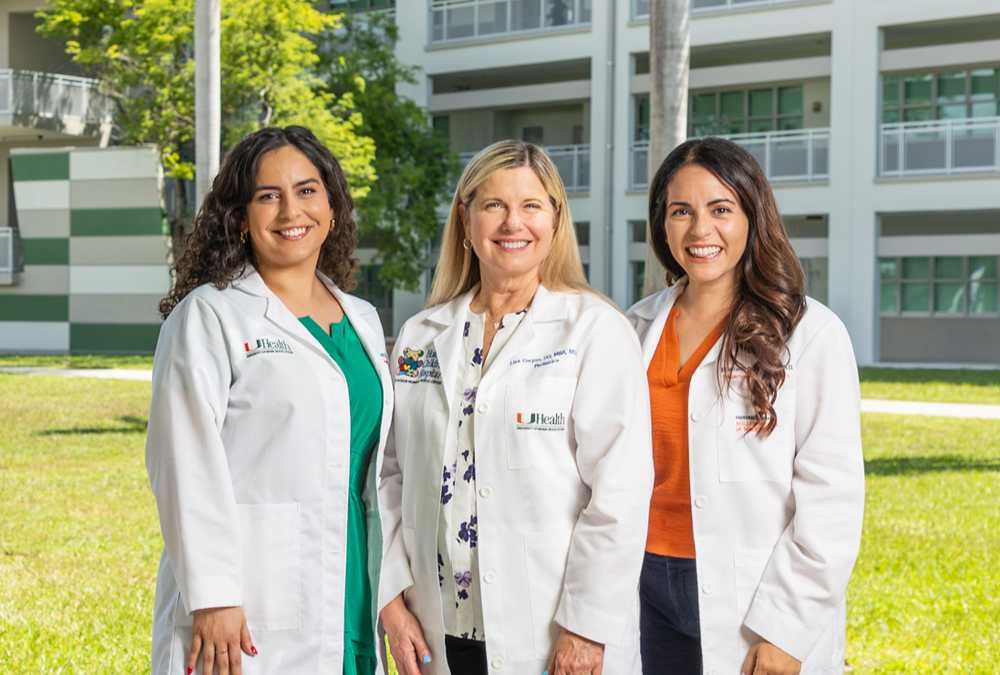
When Austen was in treatment, there were no relevant clinical trials for his disease in South Florida, said his physician Bradley Gampel, M.D., M.S., a Sylvester pediatric, adolescent and young adult neuro-oncologist. Now, the University of Miami has opened two clinical trials for pediatric patients with high-grade gliomas.
One is a multi-institutional trial that is studying — for the first time in pediatric patients — an experimental brain cancer drug that has shown promise in aggressive adult brain tumors. The other is studying the effectiveness of delivering two cancer drugs directly into blood vessels in the brains of children and young adults under 22.
“Our goal at the University of Miami is to provide more effective, less toxic treatments to the patients and families of South Florida,” Dr. Gampel said. “We are on the pathway toward that. Translating this exciting research into clinical trials is only possible through fundraising, grants, philanthropic funds and inspiring people like the Prescotts.”
Largest UCare Fundraiser to Date
When Austen was sick, his parents knew they wanted to support pediatric neuro-oncology. They turned to the team at UCARE, a community fundraising platform at UHealth – University of Miami Health System, which quickly helped start a campaign in Austen’s honor, called Team 620. “We’re so impressed with the amount of passion that the researchers and the clinicians put into going after cancer and working with the patients to give them the best outcome possible,” Andrew Prescott said. “These people are really doing good work.”
The fundraising campaign has since raised $735,000 from more than 500 donors, far more than any other fundraiser on UCARE. Team 620’s main source of funding is participation in the Dolphins Cancer Challenge, which is the Miami Dolphins’ year-round initiative dedicated to raising funds for innovative cancer research at Sylvester.
Researchers are making strides against pediatric brain cancer, but it is nearly impossible to get significant federal funding for the work, Dr. Iavarone says. “Crowdfunding support has been absolutely instrumental for us to continue the work we do on pediatric cancer research,” he said. “The difference is huge.”
Learn more about Catherine Prescott’s commitment to finding a cure for pediatric brain tumors. Visit Faces of the DCC
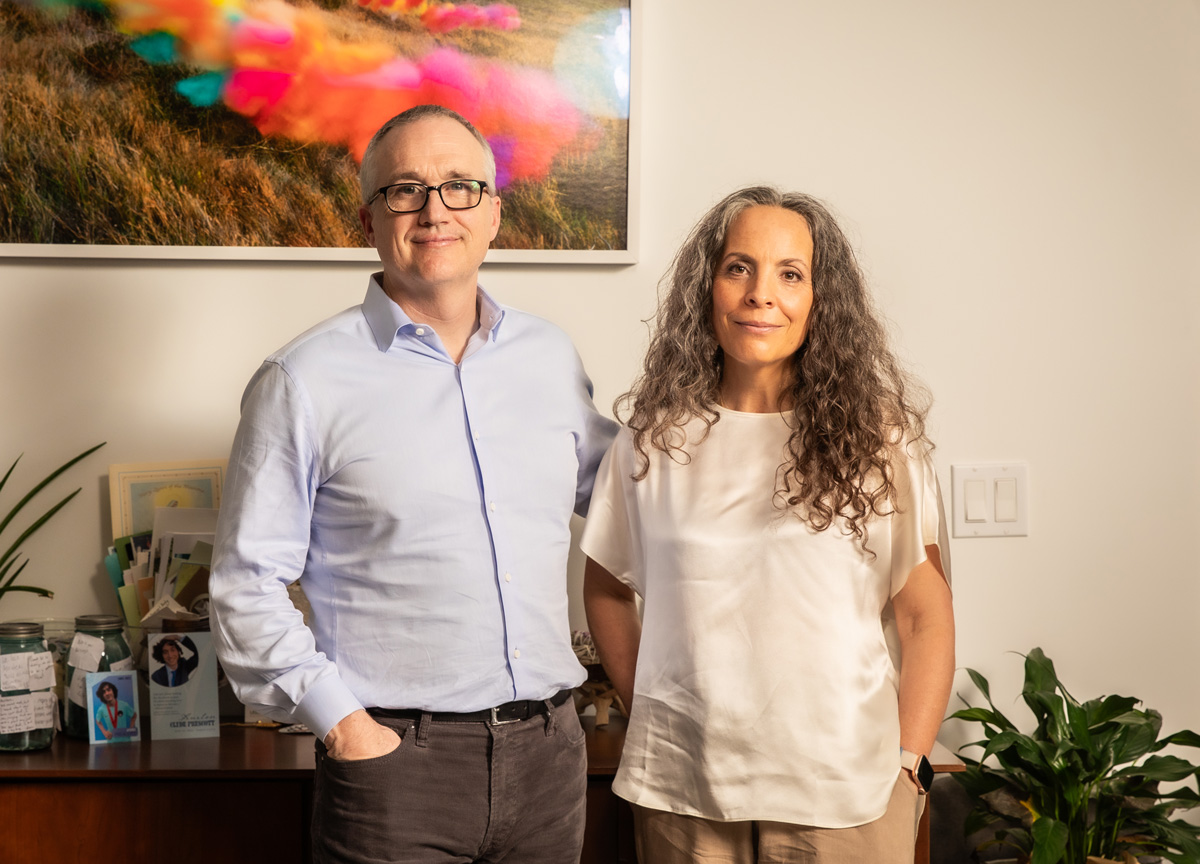

Team 620’s Mission at DCC
Team 620 fields a team at Dolphins Cancer Challenge to both honor Austen’s legacy and to help fuel a cure for the most devastating brain cancers.
They are part of the effort that surpassed a historic milestone in 2026. During this year’s event, which again offered biking options and a 5K run/walk, the DCC raised a record $18 million, pushing DCC’s overall total since its inception in 2010 to more than $100 million raised for Sylvester Comprehensive Cancer Center.
DCC XVI brought together survivors, supporters, community and business leaders, University of Miami students and faculty, and first-time participants united by one cause: advancing cancer research at Sylvester.
One hundred percent of participant-raised funds support Sylvester in fueling breakthrough science, leading-edge technology and personalized patient care. Sylvester is South Florida’s only NCI-designated Cancer Center and is the No.1 ranked cancer program statewide, according to the U.S. News and World Report.
Register now for next year’s DCC, to be held on Feb. 27, 2027.
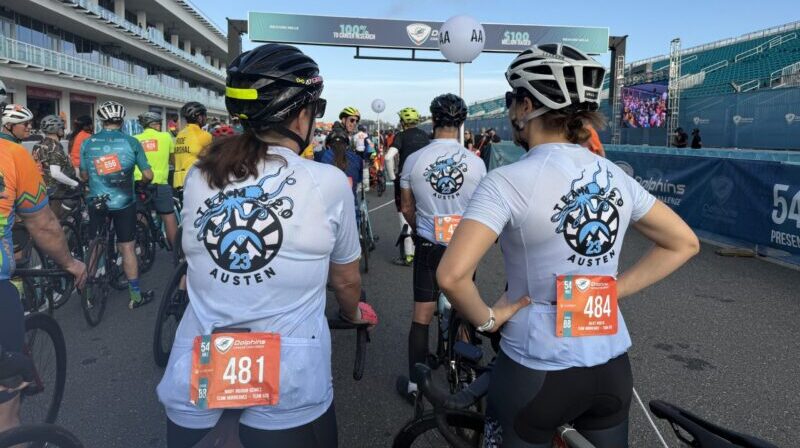
Contribute to pediatric brain cancer research in Austen Prescott’s memory. Join or learn more about Team 620.
“We wanted to do something upbeat in Austen’s memory, both to honor him and to help put energy behind the research.”
Catherine Prescott