Vaccines do not trigger identical immune responses in everyone. University of Miami Miller School of Medicine researchers have created human immune organoids that reproduce key interactions among B cells and T cells and could help explain those differences.
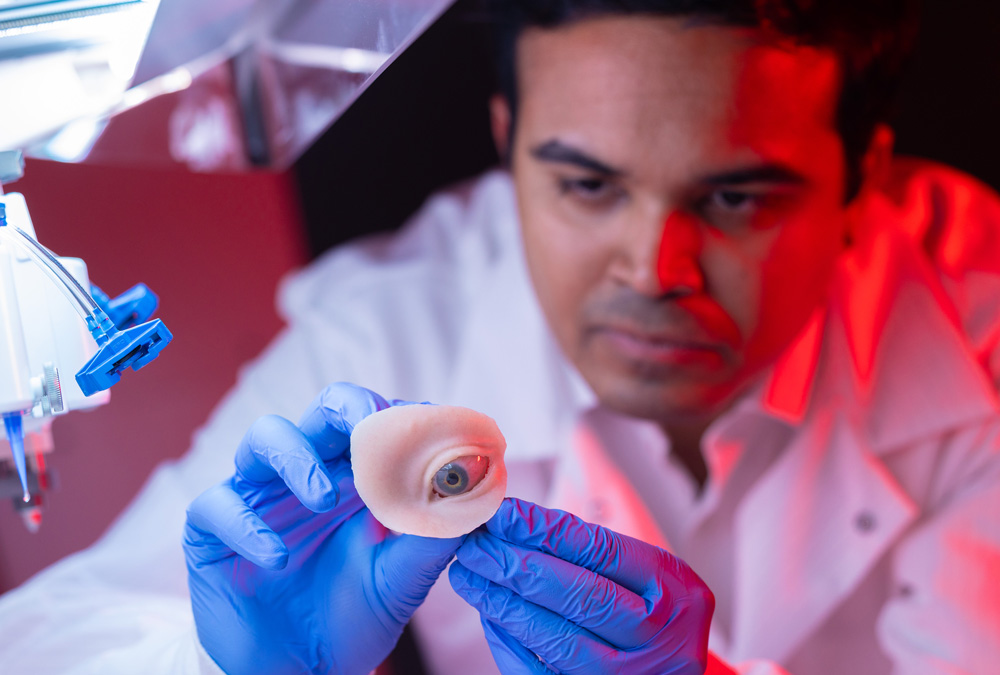
The research team, which created germinal center-like organoids, or GCLOs, was led by Ashutosh Agarwal, Ph.D., co-director of Engineering Cancer Cures at the Sylvester Comprehensive Cancer Center and director of engineering and applied physics at Desai Sethi Urology Institute, and Suresh Pallikkuth, Ph.D., co-director of the Miami CFAR Laboratory Sciences Core.
GCLOs are miniature three-dimensional structures that model immune activity normally occurring inside lymph nodes after vaccination or infection. In germinal centers, B cells and T cells communicate, antibodies are refined and immune memory is established. But studying these structures directly in people is challenging. Lymph nodes are not easily accessible, and immune responses vary among individuals. Therefore, GCLOs provide a controllable, human-derived model for studying how those responses develop.

Why a Human Model Matters
Traditional laboratory approaches often rely on isolated cells or animal models. Neither fully captures the complexity of human immunity. “The best model of a human is a human — ideally, the same human,” said Dr. Agarwal, professor of biomedical engineering. “The challenge is that studies in people are difficult to conduct and cannot easily be performed at scale. We are trying to create a human-specific model that helps bridge that gap.”
The difference could be significant. After all, immune systems vary from person to person and change throughout life, and animal models may not adequately reproduce human immune responses.
“We have developed highly effective treatments in mouse models that have not translated into successful therapies in humans,” Dr. Agarwal said. “The challenge is bridging the gap between a mouse model and a human biology.”
GCLOs are not intended to replace every animal or clinical study. The platform does not yet reproduce every component of a human germinal center, including follicular microenvironment and the complete architecture of a lymph node. Researchers are continuing to add complexity and validate the system.
Human Avatars Help Researchers Study Immune Response
Moving Toward Personalized Immunity
Because the model preserves characteristics from individual donors, it could eventually help researchers determine whether a person is likely to respond to a vaccine or therapy before receiving it.
Rather than assuming a treatment works equally well for everyone, the technology could help identify responders and nonresponders and point toward more targeted approaches.
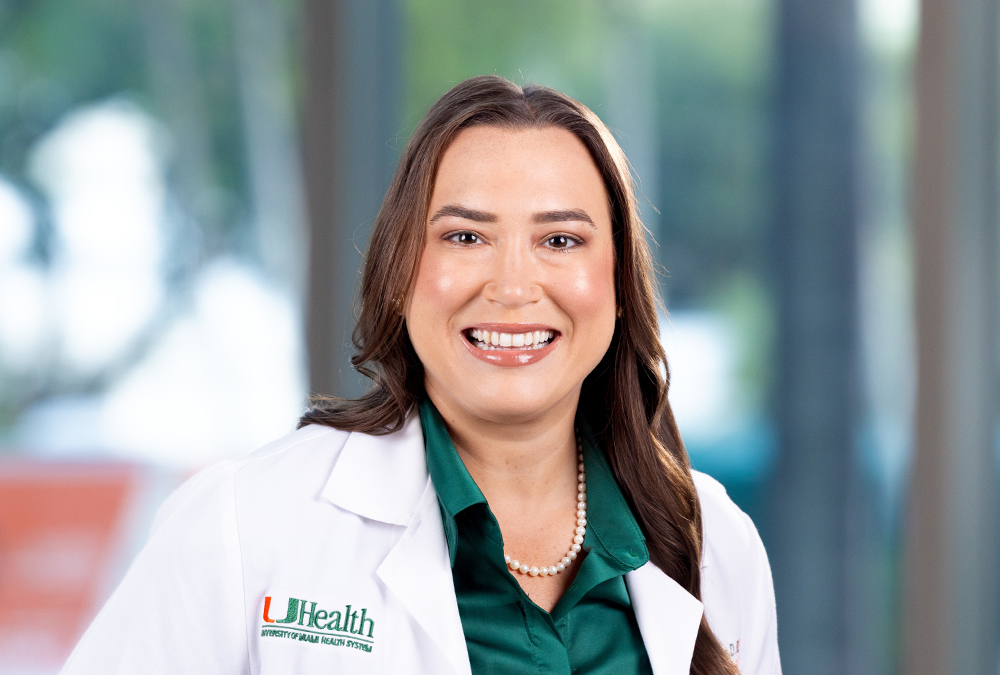
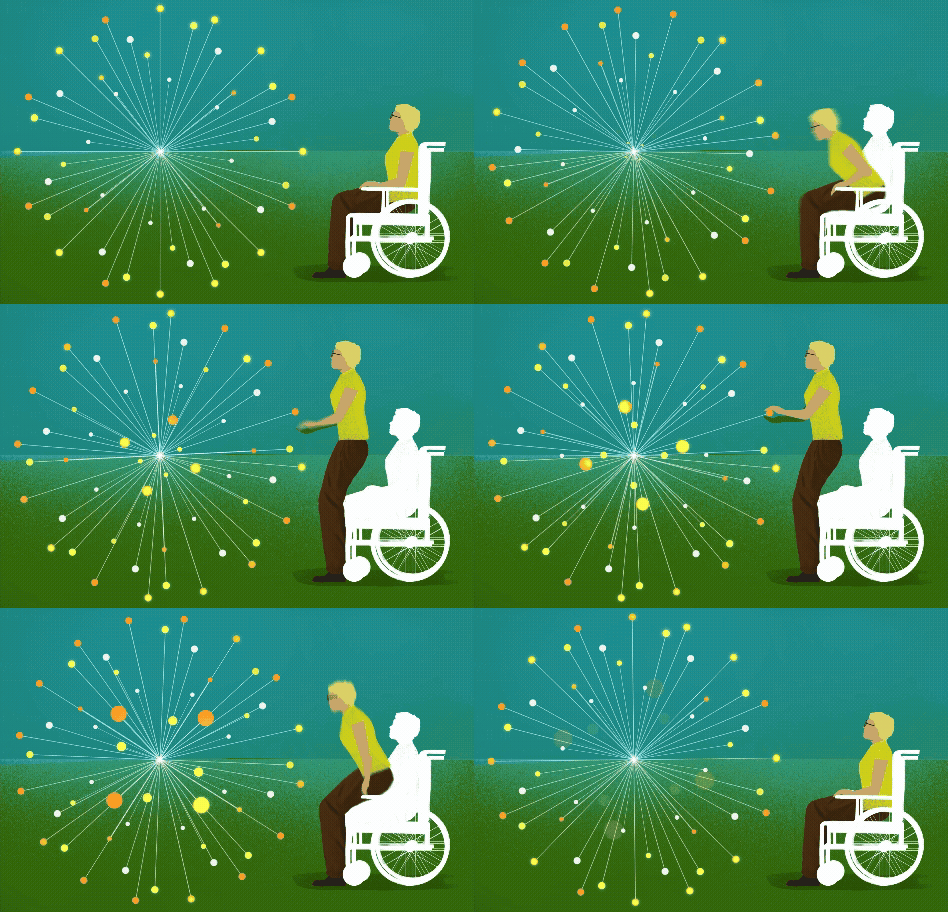
“The goal is to create a human avatar of each person’s immune system, living in the laboratory, so we can ask how that individual may respond before exposure to a vaccine, infection or therapy,” Dr. Pallikkuth, associate professor of microbiology and immunology, said.
The approach is minimally invasive. Researchers create the organoids from only a few teaspoons of blood rather than requiring a biopsy or tissue sample. Future studies, using larger groups of donors, could reveal why immune responses differ across populations and therefore help guide development of more effective, personalized vaccines and therapies.
The GCLO platform could begin with vaccine research, including studies of aging immunity. Longer term, it could help explore autoimmune diseases, such as Type 1 diabetes, and cancer immunotherapy. “The science is moving toward personalized medicine,” Dr. Pallikkuth said. “Our goal is to create a personalized immune system for each individual.”

Building Immunity in Miniature
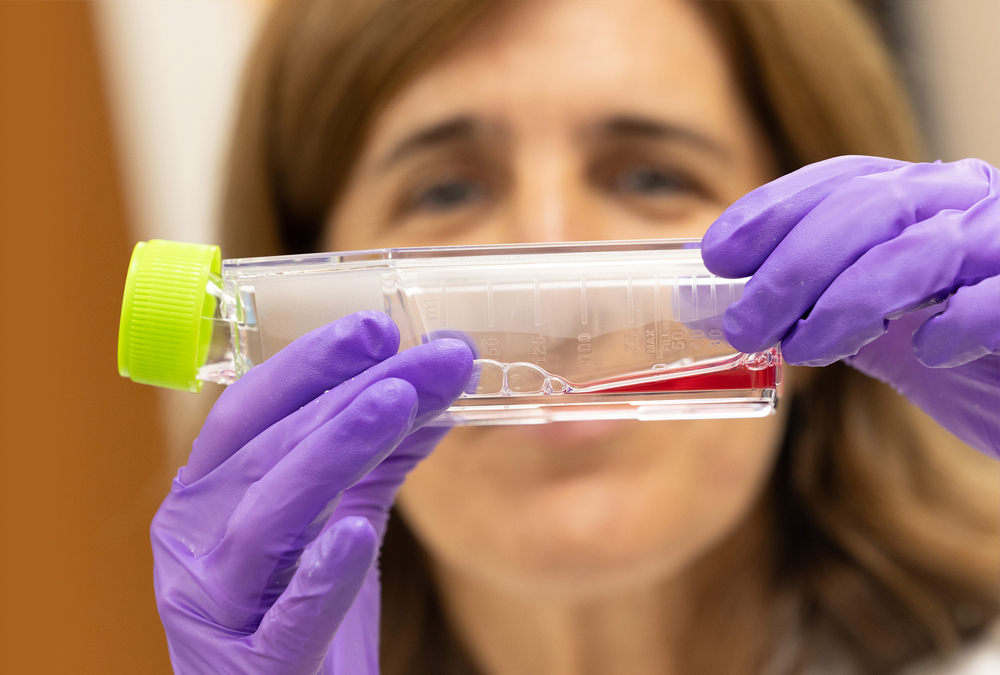
The GCLO model combines dendritic cells, memory CD4 T cells and B cells inside a supporting matrix.
Six healthy adults contributed cells after receiving seasonal influenza vaccines. The group included three younger and three older donors, allowing researchers to examine age-related differences.
After exposure to influenza-vaccine antigens, bacterial antigens and other immune activators, the cells organized into clusters within days. The structures developed spatial patterns resembling important features of natural germinal centers.
The researchers used microscopy, flow cytometry and antibody measurements to analyze the organoids. GCLOs exposed to vaccine components produced the strongest population of plasmablasts, early antibody-producing cells associated with germinal center activity.
The model also reflected differences among donors. Individuals known to produce stronger clinical responses after influenza vaccination generally produced more immunoglobulin G, or IgG, in the organoid system. Those with weaker responses tended to show less antibody production. Older donors’ organoids generally contained fewer B cells, more T cell–dominant populations and lower antibody output. These findings are consistent with immunosenescence, the gradual decline in immune function associated with aging.
The project was launched through a competitive internal grant, the Team Science in Immunology award, from the Miller School’s Office of the Executive Dean for Research. The award supported collaboration between investigators in immunology and engineering.
The research findings were published in the open-access, peer-reviewed journal Advanced Science on July 3, 2026, in the article “Engineering Human Donor–Derived Germinal Center-Like Organoids (GCLOs) for Studying Immune Response to Vaccination,” by Bhumi Suthar, Carlos Gomez, Giancarlo Asencio, Suresh Pallikkuth and Ashutosh Agarwal.
“The goal is to create a human avatar of each person’s immune system, living in the laboratory, so we can ask how that individual may respond before exposure to a vaccine, infection or therapy.”
Suresh Pallikkuth, Ph.D.
“The goal is to create a human avatar of each person’s immune system, living in the laboratory, so we can ask how that individual may respond before exposure to a vaccine, infection or therapy.”
Suresh Pallikkuth, Ph.D.