When Chanel Thornhill was diagnosed with breast cancer at 43, she worried not only about her own health, but about how her 13-year-old twin daughters were coping with fear and uncertainty at home.
Through the Dr. John T. Macdonald Foundation School Health Initiative (SHI), part of the Miller School of Medicine’s Department of Pediatrics, the family found support where the girls already felt safe: at school.
“I was terrified, but I didn’t want my girls to worry,” Thornhill said. “Having someone for them to talk to at school made a significant difference. They are sharing now in ways they could not before.”
Through their school, Thornhill’s daughters connected with a counselor who helped them process what they were quietly carrying. That support extended to Thornhill herself. “It was a real release to talk to someone about what I was going through,” she said. “I am so grateful to the counselor for truly looking out for me and my girls.”
For families like Thornhill’s, school-based healthcare can be more than convenient. It can be stabilizing, timely and life changing. By bringing medical and mental health services directly to students who might otherwise go without, for 26 years, the School Health Initiative has transformed child health in South Florida.
Now, a new $5 million commitment from the Dr. John T. Macdonald Foundation will strengthen that work by providing additional resources to help SHI deliver high-quality care to thousands of vulnerable children while they’re at school.
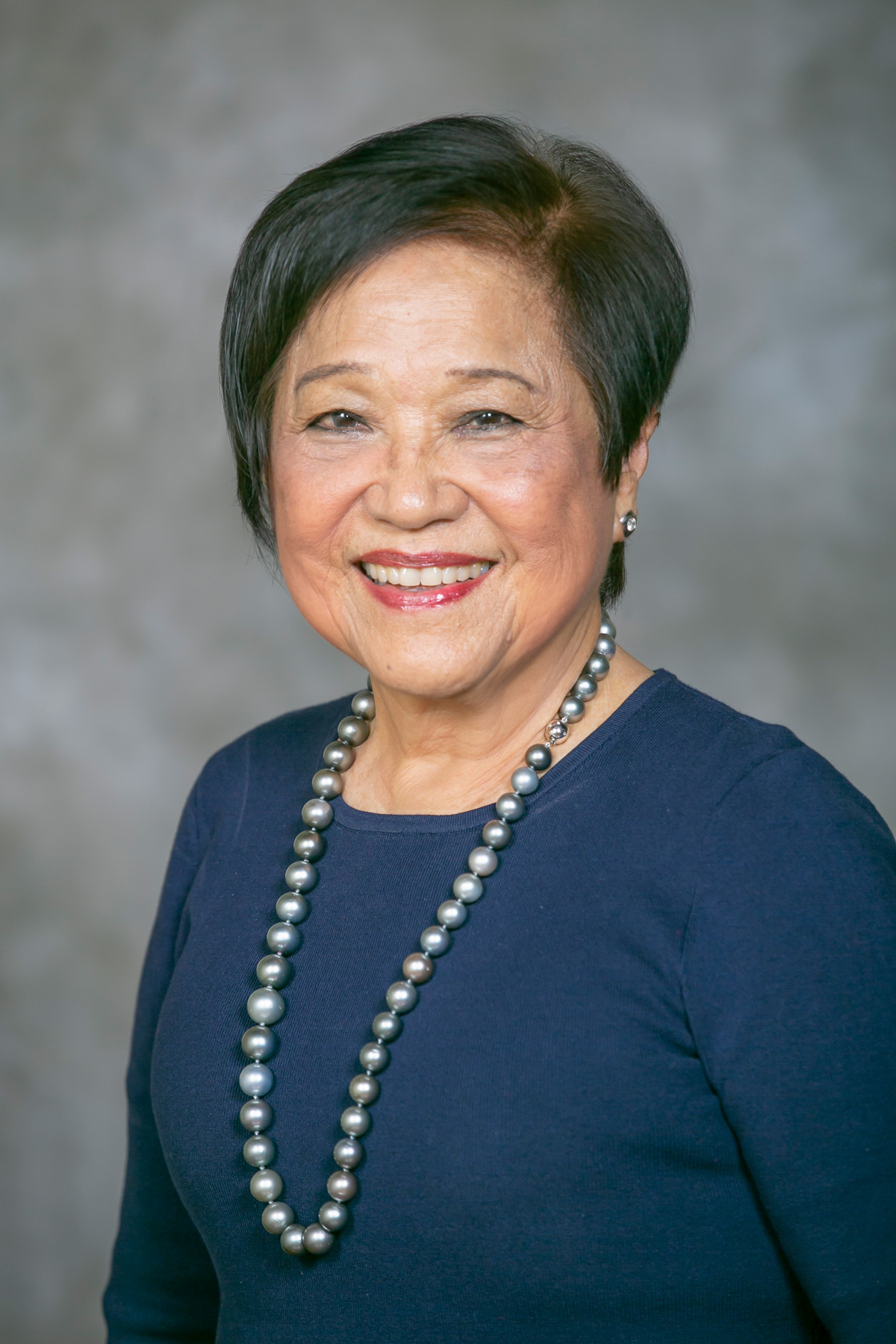
“The School Health Initiative began as our legacy to the community [more than] 20 years ago, and we are proud that it addresses our mission to provide what children need most: accessible, high-quality care where they are every day. Our vision is that it becomes a national model,” said Margaret Starner, chair of the foundation’s School Health Committee. “By meeting students’ physical and emotional needs in school, this program improves health, strengthens families and helps children reach their full potential.”
“I was terrified, but I didn’t want my girls to worry. Having someone for them to talk to at school made a significant difference."
Chanel Thornhill
Chanel Thornill and her daughters, Thamaya (left) and Thamia (right)
Photography by Anki Sinha
Eliminating Barriers and Expanding Access
Established in 2000, SHI provides comprehensive primary care, acute care, mental health services and preventive care to Miami-Dade County Public Schools students regardless of ability to pay. In addition to funds provided by the foundation, the program is supported by The Children’s Trust, Miami-Dade County Public Schools and the Florida Department of Health. A major milestone came when the Miller School was selected to expand school-based health services from nine schools to 36 schools, increasing its reach to approximately 35,000 students. Philanthropic support from the Dr. John T. Macdonald Foundation has helped SHI meet the needs of this significantly larger school community.
“This generous commitment reflects the foundation’s belief in community health and the vital role schools play in supporting children and families,” said Lisa Gwynn, D.O., medical director of SHI and UM’s Pediatric Mobile Clinic and professor of clinical pediatrics at the Miller School. “We are delivering care that addresses immediate needs while building the foundation for lifelong health and learning. We are deeply appreciative of their incredible support.”
Today, SHI serves primarily Title I schools, where transportation barriers, financial hardship, language differences and parents’ work schedules can make accessing medical care difficult. The foundation’s new $5 million investment will provide additional resources to strengthen that care, including funding for a full-time pediatrician and critical equipment, and supporting the opening of a fifth comprehensive health center. “With the foundation’s support, we provide a safety net that keeps children healthy, in school and on a path toward better lifelong outcomes,” said Sarah Sukkar, M.D. ’20, lead pediatrician of SHI. “The gratitude from families is extraordinary.”
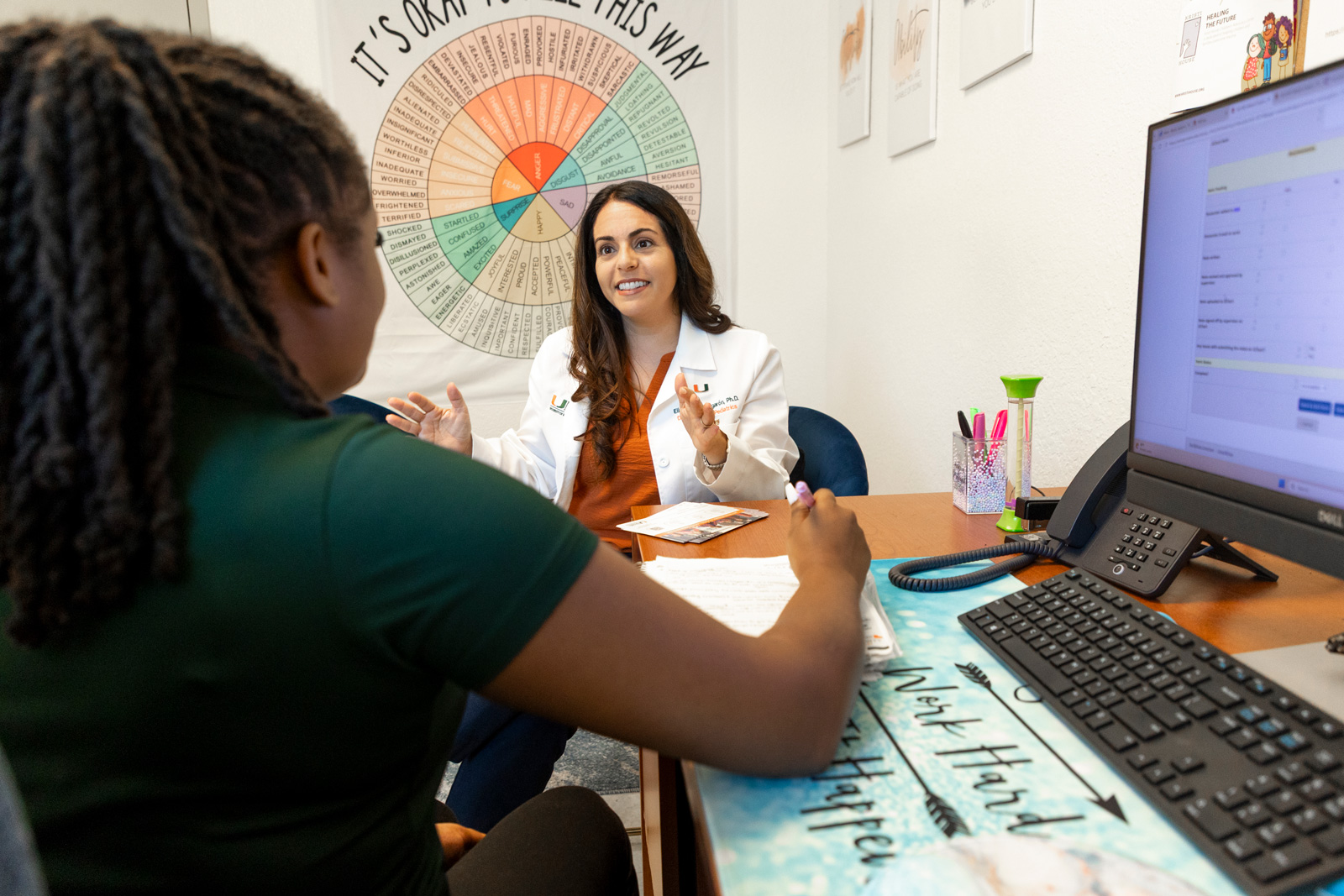
Elizabeth Pulgarón, Ph.D., a clinical psychologist who has worked with the program for more than a decade, said SHI’s mental health services are especially important because many families do not know where to seek help. “By delivering care in schools, a trusted and familiar setting, we remove barriers, provide on-site support and address the whole child,” said Dr. Pulgarón, professor of clinical pediatrics at the Miller School. “Early intervention is critical to long-term success.”
Students
Saving Lives
SHI’s Student Champions Program supports struggling teens through connection with fellow teens
Teens often turn first to friends when they are struggling. Through SHI’s Student Champions Program, high school students are helping lead conversations about mental health and suicide awareness, reducing stigma and connecting peers to support when it matters most.
Discover how young leaders are helping create healthier, safer school communities.
Seamless, School-Based Care
SHI delivers care through two coordinated levels of service, creating a seamless continuum tailored to student needs. Staffed by UM medical professionals and supported by UM resources, the program extends the expertise of the health system directly into school communities.
Most participating schools have on-site health suites, where nurses provide first aid, administer medications and monitor chronic conditions. Students needing more advanced care are referred to nearby comprehensive centers, ensuring continuity rather than fragmentation of care.
For complex needs, four full-service pediatric centers provide physician-led primary care. A fifth center, supported by the foundation’s latest commitment, will further expand access to this level of care. Staffed by pediatricians, nurse practitioners, mental health professionals and trainees, these centers provide well-child exams, vaccinations, blood work, sports physicals, chronic disease management, behavioral health services and specialty referrals.
“By embedding services directly within schools, we can reach students who might otherwise go without support,” said Twala Belinda Kelly, a school social worker and counselor with SHI. “Because we interact with students every day, we can build trusting relationships, connect them to medical and mental healthcare, and work closely with families and school staff to support their overall well-being.”
UM’s Pediatric Mobile Clinic extends services even further, delivering immunizations, screenings and physicals directly to additional campuses. Clinics also serve siblings and are open to the broader community during the summer.
“Students receive the same high-quality care we provide on our medical campus, and the results are transformative,” said Dr. Gwynn. “Healthier children are better able to focus, participate and succeed.”
“The School Health Initiative began as our legacy to the community [more than] 20 years ago, and we are proud that it addresses our mission to provide what children need most: accessible, high-quality care where they are every day. Our vision is that it becomes a national model.”
Margaret Starner
Healthier Students, Stronger Schools
At David Lawrence Jr. K-8 Center, the program is already reshaping daily life for students and families.
In its first year with a clinic, a full-time nurse provided care ranging from first aid to vision screenings and care coordination. About one-third of students visited, many not only for treatment, but for a safe, trusted space.
“The difference from just one year ago is striking,” said Principal Alicia Costa-Devito. “Without on-site care, students who felt unwell were often sent home, contributing to absenteeism and lost learning time. Now, they can get care at school and stay in class.”
Having led three other Miami-Dade schools with full-service clinics, Costa-Devito has seen firsthand the impact—and the peace of mind it brings to families with limited access to care. “These programs go far beyond basic care,” said Costa-Devito. “Meeting students’ physical and emotional needs isn’t separate from education; it’s essential to it.”
At Fulford Elementary School, the impact is equally clear. The clinic, which has been in place for five years, is a vital resource in the community, with up to 20 students visiting daily.
“I’ve worked in schools with and without clinics,” said Principal Maria Rodriguez, Ph.D., who has worked in education for 33 years. “It’s a relief to have a certified nurse and a mental health counselor on campus. When a crisis arises, we can respond immediately.”

Preventing Crises While Improving Outcomes
SHI does more than treat illness; it prevents it. By identifying conditions early, the program reduces emergency room visits, keeps students in class and strengthens academic success.
Routine issues are treated on-site, minimizing missed school and work, while more serious conditions and mental health crises are stabilized and connected to follow-up care. “I see the difference every day,” said Dr. Sukkar. “Children get immediate help, families gain peace of mind and students learn their health matters.”
The program also provides health education and hands-on training for the aspiring physicians at the Miller School, which puts a strong focus on community health, serving as a national model for school-based care.
A Lasting Investment in Community Health
The Dr. John T. Macdonald Foundation has been a longstanding philanthropic partner of the Miller School, investing in programs that improve, protect and restore the health of people throughout Miami-Dade County.
Beyond SHI, the foundation has also provided transformational support for the Miller School’s Dr. John T. Macdonald Foundation Department of Human Genetics and the Dr. John T. Macdonald Foundation Biomedical Nanotechnology Institute, both advancing innovation and shaping the future of medicine in South Florida and beyond.
The foundation’s latest $5 million commitment builds on that legacy of partnership. By supporting additional clinical expertise, equipment and a fifth comprehensive center, the gift ensures SHI’s vital lifeline continues to grow.
Together with The Children’s Trust, Miami-Dade County Public Schools, the Florida Department of Health and other partners, the Dr. John T. Macdonald Foundation helps the Miller School ensure that children and families have access to high-quality care where they live, learn and grow.
For families like the Thornhills, that partnership means something simple but profound: When a child needs help, care is close at hand.