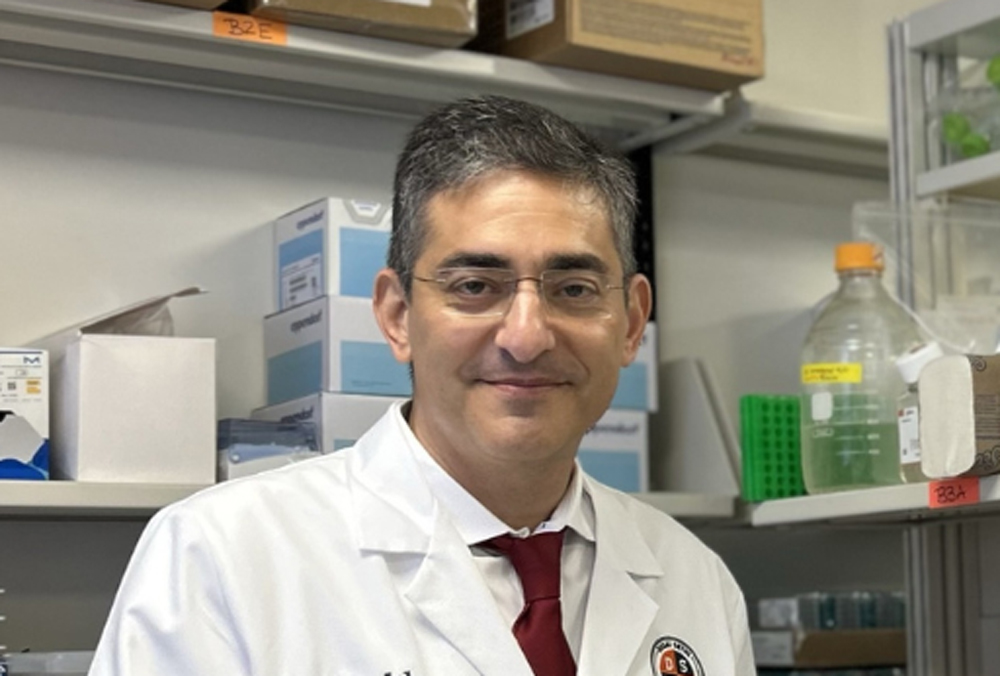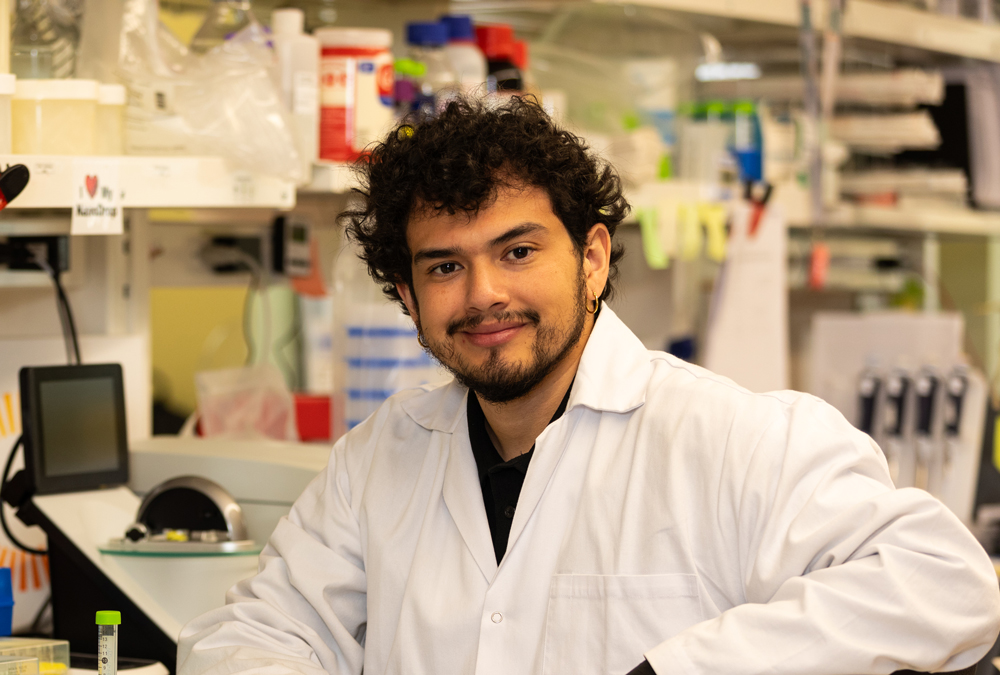
The interconnection between Miami-area communities and the Miller School of Medicine drives Erin Kobetz, Ph.D., M.P.H., associate director for community outreach and engagement at Sylvester Comprehensive Cancer Center. An epidemiologist by training, she is also the John K. and Judy H. Schulte Senior Endowed Chair in Cancer Research and co-director of the University of Miami Clinical & Translational Science Institute.
“My entire career has been grounded in translational research that emphasizes the importance of community engagement,” said Kobetz, who joined the Miller School faculty in 2004. “It’s necessary to give volume to the voices of people whom our research is intended to serve.”
One of those voices belongs to a member of Sylvester’s Community Advisory Committee, who nearly two years ago expressed concern about the growing number of breast cancer diagnoses in her neighborhood. That prompted Kobetz and an interdisciplinary team of fellow researchers to embark on a significant study. The goal was to determine if there is a correlation between breast cancer and local environments — such as the woman’s neighborhood, which is near Homestead Air Reserve Base, one of the largest of Miami-Dade County’s seven Superfund sites.

“My entire career has been grounded in translational research that emphasizes the importance of community engagement.”
Erin Kobetz, Ph.D., M.P.H.
The Environmental Protection Agency launched the federal Superfund program in 1980 to oversee cleanup of the nation’s worst hazardous waste sites in response to public outcry over high-profile environmental disasters in the late 1970s. Homestead was designated a Superfund site in the mid-1990s due to its deep-rooted buildup of toxic jet fuels, perfluoroalkyl and polyfluoroalkyl substances (PFAS, also known as “forever chemicals”), heavy metals and other materials. More than three decades later, the cleanup continues.
Despite the Superfund program’s long existence, there is a surprisingly “small body of research that links environmental exposures to cancer risks and outcomes,” Kobetz said. Rather than testing contaminants at Homestead and other Superfund sites in the county, her team of physicians, basic scientists and epidemiologists utilized granular data from Sylvester’s SCAN 360 portal, a robust repository that enabled them to analyze multiple risk factors associated with cancer incidence in particular areas.
The study results, published earlier this year, found that living near at least one Superfund site raised the likelihood of a woman developing metastasized breast cancer by about 30%. “We have a number of other papers under review or in preparation that further explore the potential association between Superfund exposure and cancer risk,” Kobetz said. Besides breast cancer, they’re also looking for environmental links to thyroid, prostate and ovarian cancers.
As important as Kobetz’s work is in advancing public health, so too is her collaboration with interdisciplinary peers across the University of Miami, including researchers at the Rosenstiel School for Marine, Atmospheric and Earth Science and the College of Engineering. “Matching scientific inquiry to community-driven hypotheses is essential for accelerating better health outcomes,” she said.