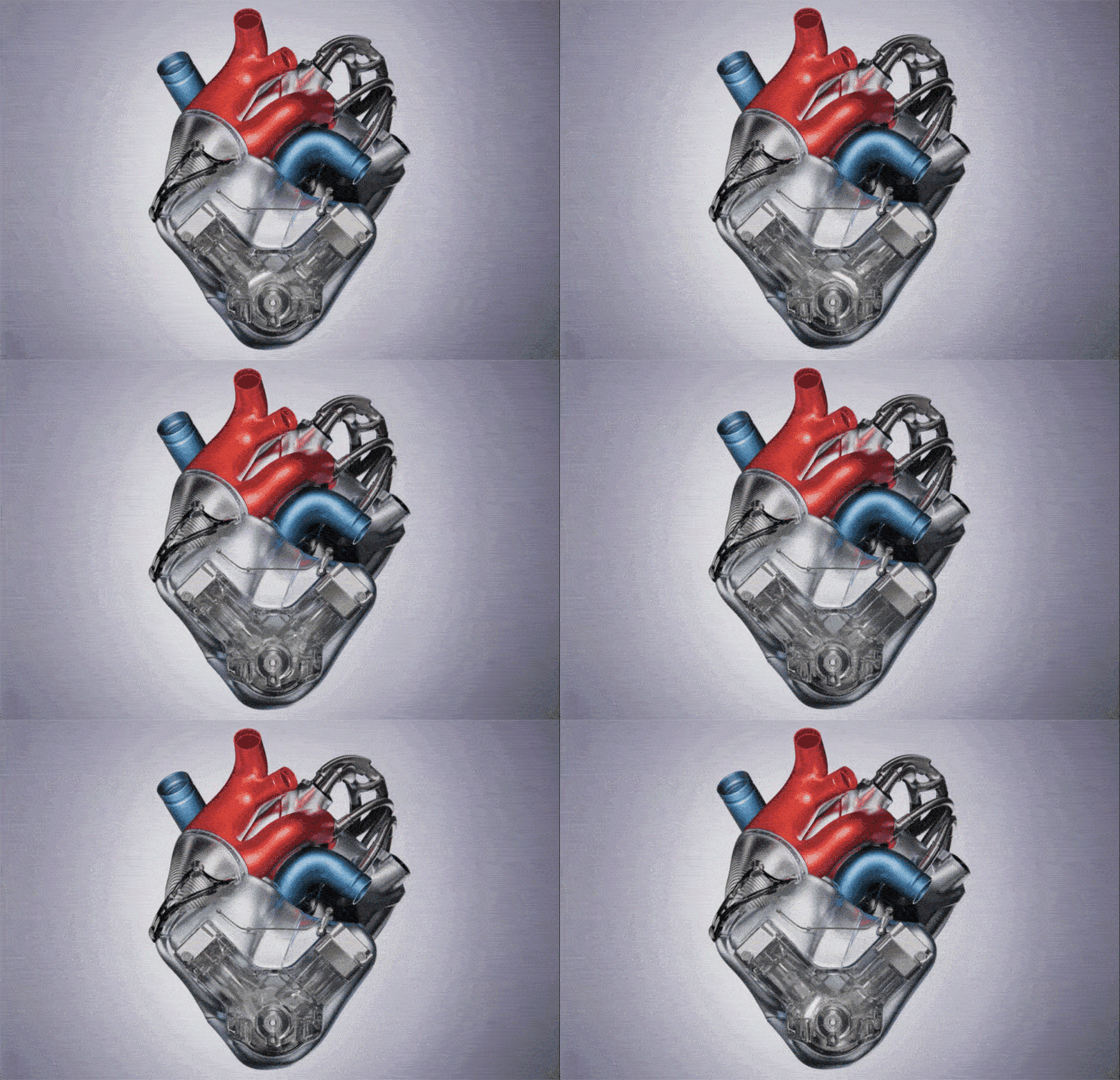
Cardiovascular diseases remain the No. 1 killer globally. At the University of Miami Miller School of Medicine, our researchers and clinicians are on the case. As you will learn in this issue’s cover story, “Keeping Hearts Healthy,” our world-class cardiologists are saving lives with less-invasive surgical treatments, game-changing clinical trials and AI-driven scans and tests that can predict trouble years, even decades, in advance.
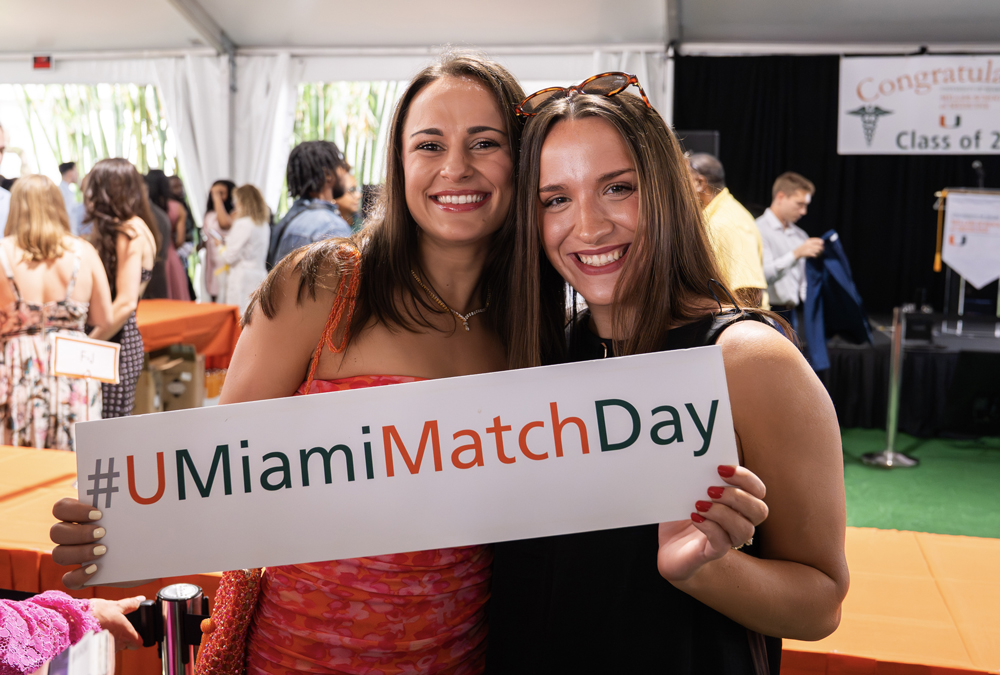
Yet when we talk about “having heart,” it is usually an emotional metaphor, rather than a medical reference. Caring for patients, individually as well as part of the greater community, is a hallmark instinct of the students we train to be tomorrow’s physicians. Each year, 25% of our medical students graduate with an M.D./M.P.H. degree — the largest such cohort of any medical school in the country. That same instinct drives nearly 100% of our graduates to participate in the Mitchell Wolfson Sr. Department of Community Service (Wolfson DOCS), our donor-driven, student-led outreach program that runs clinics and health fairs providing essential screenings to underserved patients throughout South Florida.
Caring for patients, individually as well as part of the greater community, is a hallmark instinct of the students we train to be tomorrow’s physicians.
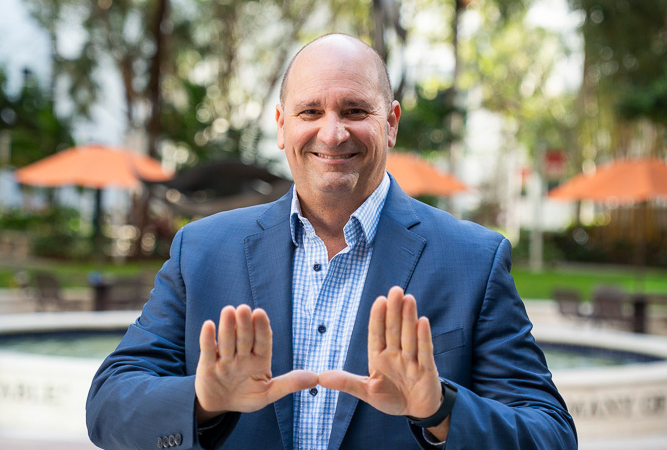
Dean Henri R. Ford
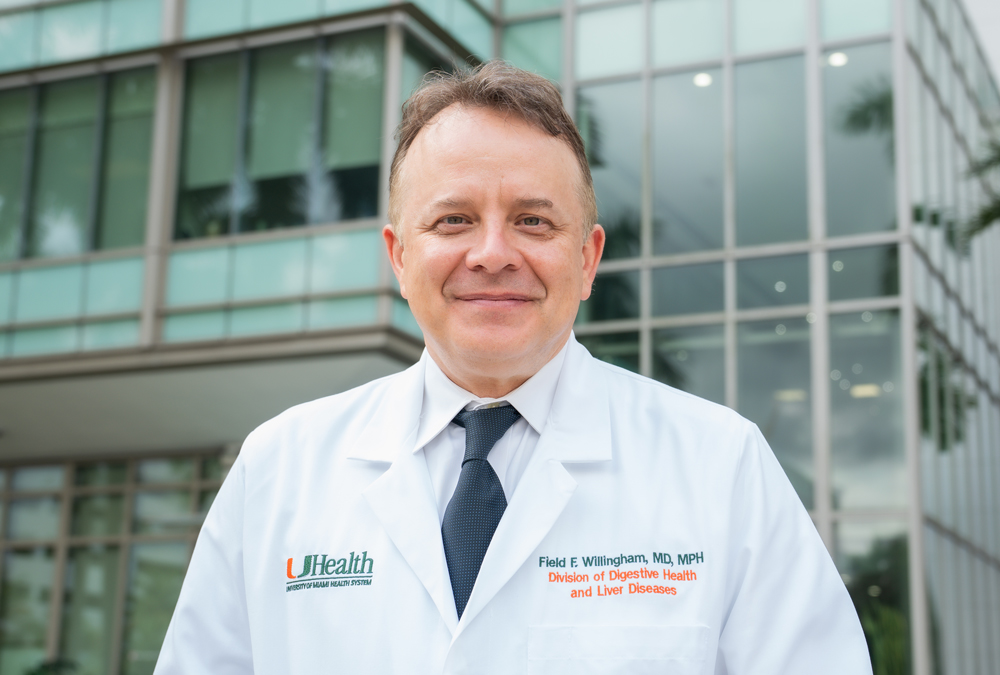
Recent notable gifts include an extraordinary donation from Tony and Sandra Tamer to establish the Tamer Institute for Women’s Health, which will expand access to comprehensive patient care. Another, representing continued support from business leader and philanthropist Kenneth C. Griffin is enabling us to attract a luminary leader who will propel us to new discoveries in gastroenterology. And heartfelt donations of all sizes come from alumni who want to pay forward the financial support they received as Miller School students.
Patient care, community service, supporting new discoveries and paying it forward are all forms of generosity that spring from the heart. Perhaps that is why we are the No. 1-ranked medical school in Florida for NIH funding, totaling $178 million this year. We are working hard to make sure the beat goes on.

Dean & Chief Academic Officer