A handful of raspberries. A crisp apple. A bright bowl of veggies. These foods offer nourishment, comfort and connection. But more than this, a growing body of research shows that your dinner plate can influence disease risk and support cancer treatment. As a result, food now plays an increasingly important role in cancer risk reduction and healing. And for people navigating cancer, even sitting down to a meal can feel deeply meaningful.
Sylvester Comprehensive Cancer Center has brought this idea to life through “Power of the Palette,” an art exhibit featuring framed photographs of fruits and vegetables. It’s part of the center’s Art is Medicine initiative.
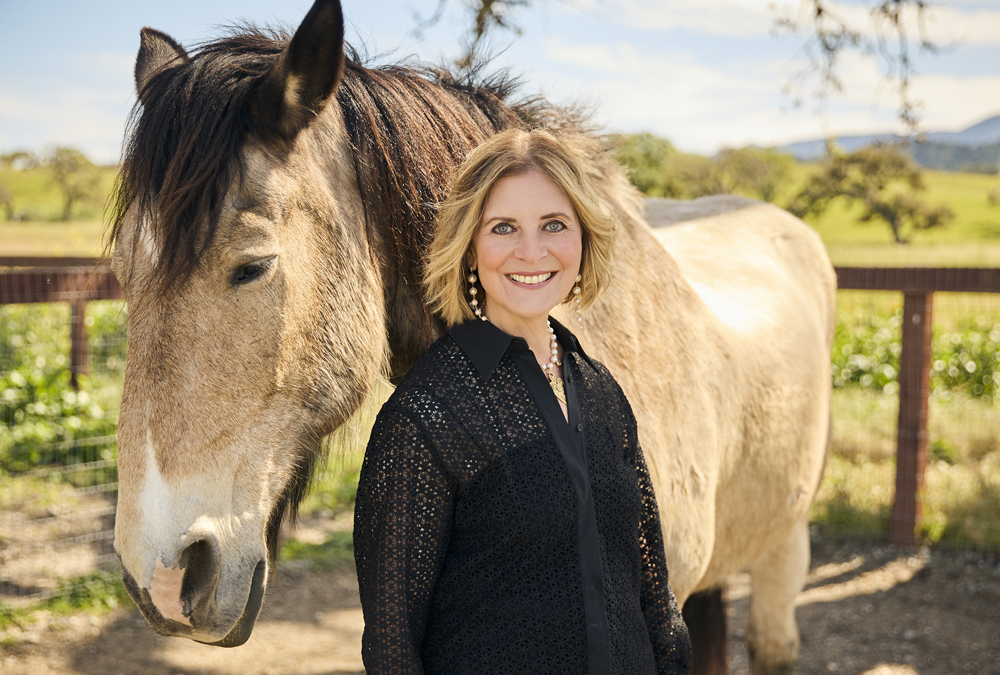
“Fruits and veggies feel like an insertion of love and care from the universe,” said exhibit curator Desert Horse-Grant, Sylvester’s chief transformation officer. “Every meal is an opportunity to bring people a moment of peace, to be connected with nature and to find purpose and meaning, especially for patients undergoing treatment. A meal break with loved ones can soften the harsh realities of what is happening. And if one feels ill while eating during treatment, Sylvester also has resources to help.”
Visually Rethinking Food
Now in its fourth year, Art is Medicine integrates visual art into Sylvester’s physical spaces to humanize the clinical environment and support emotional well-being. A QR code alongside the “Power of the Palette” photographs links viewers to more information, where they can explore the science and initiatives behind Sylvester’s philosophy of food as medicine.
Featured artist Meg Stacker King sees food not just as a visual object but as a deeply personal symbol. As the mother of a medically complex daughter who requires round-the-clock nursing care and spends long stretches in the hospital, she appreciates art, prayer and food as self-care. For her, they are a complement to the medical treatments offered by caring providers to maximize healing. King’s images, from close-ups of garlic and corn to color-rich compositions reminiscent of farmers’ markets, reflect food’s role as nourishment and a source of resilience. “Power of the Palette” highlights the power of everyday choices in cancer risk reduction, healing and survivorship in beautiful, colorful and uplifting photography.
The exhibit mirrors the deep commitment to lifestyle medicine and whole-patient care that anchors Sylvester’s clinical practice, research and extensive programming. The center also plans to release its own wellness-focused cookbook.
“Many people today are monitoring sleep, exercise, nutrition and stress reduction to contribute to their wellness. Sylvester values lifestyle medicine as a way to reduce cancer risk and wants to support its patients holistically,” Horse-Grant said. “Our clinical trials have shown that a healthier lifestyle can delay recurrence.”
Sylvester leaders reflected on the profound role nutrition plays, not only in patient care and survivorship but also in the well-being of the health care workforce that serves them.
“In addition to traditional treatment, people want proactive steps they can take. After a diagnosis, one of the first questions almost every patient asks is, ‘What should I be eating?’ Patients are looking for something they can do to contribute to their own health, and food is one of those things.”
Tracy Crane, Ph.D., RDN
Nutrition as a Core Part of Cancer Care
Tracy Crane, Ph.D., RDN, co-leader of the Cancer Control Program and director of lifestyle medicine, prevention and digital health at Sylvester, leads research and programs that help patients use nutrition before, during and after cancer treatment. She helps patients and survivors improve outcomes through leading-edge clinical trials that lead to individualized strategies, and she has advocated for the healthy lifestyle cookbook to support survivorship.
“Food as medicine is a growing trend happening across the country,” Dr. Crane said. “In addition to traditional treatment, people want proactive steps they can take. After a diagnosis, one of the first questions almost every patient asks is, ‘What should I be eating?’ Patients are looking for something they can do to contribute to their own health, and food is one of those things.”
Dr. Crane puts that philosophy into practice through several community-building and nutrition-focused initiatives she leads. Her Believe in You program is a 20-week training and wellness program that prepares survivors for the Dolphins Cancer Challenge through exercise sessions, weekly newsletters with healthy recipes and nutrition and cooking classes. The Sylvester Food Pharmacy is a vital resource for patients struggling to access healthy foods during or after treatment when expenses, time demands and side effects make basic nutrition especially difficult. Located on Sylvester’s main campus, the Sylvester Food Pharmacy distributes 10 to 20 pounds of healthy, shelf-stable foods to each patient who visits.
“Cancer can be costly, not only financially but also in terms of time and energy,” Dr. Crane said. “People may have difficulty accessing food for many reasons, like cost, transportation or simply not feeling well enough to shop. This goes back to the idea that food is medicine, making sure people have what they need to heal and get through treatment. If you don’t have enough to eat, that’s incredibly challenging.”
Patients take home groceries that are nutritious and practical, like beans, whole-grain rice, canned tomatoes and nut butters, along with recipes and guidance on how to prepare them. “Dry goods and canned goods sometimes get a bad rap compared to fresh foods, so we spend a lot of time teaching that there are very healthy ways to use dried beans, canned tomatoes, whole-grain brown rice … foods that are shelf-stable but still nutritious,” she said.
Beyond nourishment and practicality, Dr. Crane emphasizes that food carries emotional and aesthetic meaning, which is also deeply connected to healing. She views food itself as a form of art.
“People have been taking pictures of food and plants for a long time, and part of that is raising awareness of not only the beauty of food but also the context in which we eat it,” she said. One of her favorite places to be, she added, is sitting outside with her family after a meal on a beautiful night, enjoying each other’s company. “Food is not only nourishing. It’s also social,” she noted.
Her appreciation for food’s beauty and shared moments shapes her broader mission.
“At the end of the day, we’re always trying to help people identify good resources about nutrition, share healthy recipes and create a community around food,” she said. “Food is beautiful, from the colors and shapes to the moments we share around a meal. We want to complement all of the great clinical work at Sylvester with food as medicine.”

“Food helps patients stay strong and tolerate treatment as best as possible, and it remains essential through survivorship. They can’t always control the treatment they’re going to get or the symptoms they might have, but they can use food as part of their medicine to help them get through a very difficult time.”
Federika Garcia Muchacho, RDN, CNSC, CSO
Nutrition in Cellular Therapy
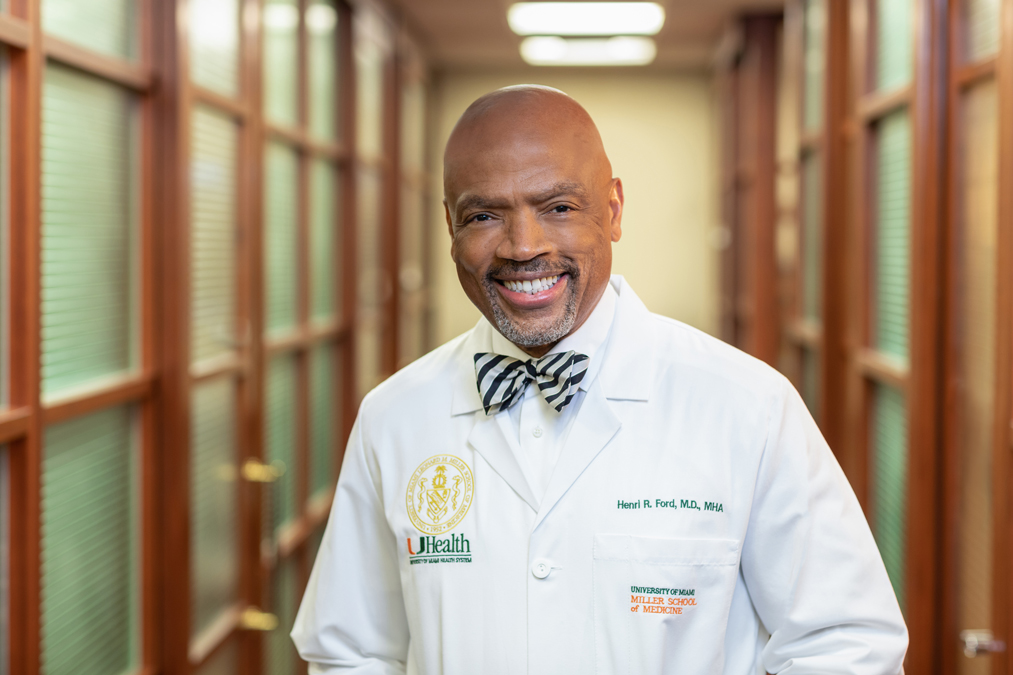
Damian Green, M.D., Ron and Nedra Kalish Family Endowed Chair in Stem Cell Transplantation and chief of the Division of Transplantation and Cellular Therapy at the Miller School, explained that nutrition is crucial for patients undergoing cellular therapy. “We think about the gut every single day,” he said. “Nutrition is a central part of our care.”
Dr. Green’s pioneering work in cellular therapy uses living cells, such as stem cells or engineered cells to repair, replace or enhance biological function. In cancer care, this often includes stem cell transplants or advanced treatments like chimeric antigen receptor (CAR) T-cells, tumor-infiltrating lymphocytes or donor immune cells that are designed to seek out and destroy malignant cells. By harnessing or boosting the body’s own immune system, these therapies can achieve highly targeted, durable anti-tumor activity.
The gut is vulnerable to this treatment. If it stops absorbing proteins and minerals, a cascade of complications follows. Oncology dietitians use appetite stimulants, anti-nausea regimens and targeted nutritional strategies to support gut function for these patients.
On the research side, there is increasing awareness of the impact of diet and antibiotics on the microbes living in the gastrointestinal tract, or gut microbiome. “The microbiome appears to be playing an important role in shaping responses to cancer immunotherapy,” Dr. Green said. “There are ongoing studies designed to understand whether regulating this environment can be beneficial. There is also early data that modifying diet might make immune cells work better in the setting of these therapies. For example, there is a clinical trial looking at the downstream effect of a ketogenic diet. Nutrition is very integrated into what we do.”
Tailored Nutrition Support for Cancer Survivors
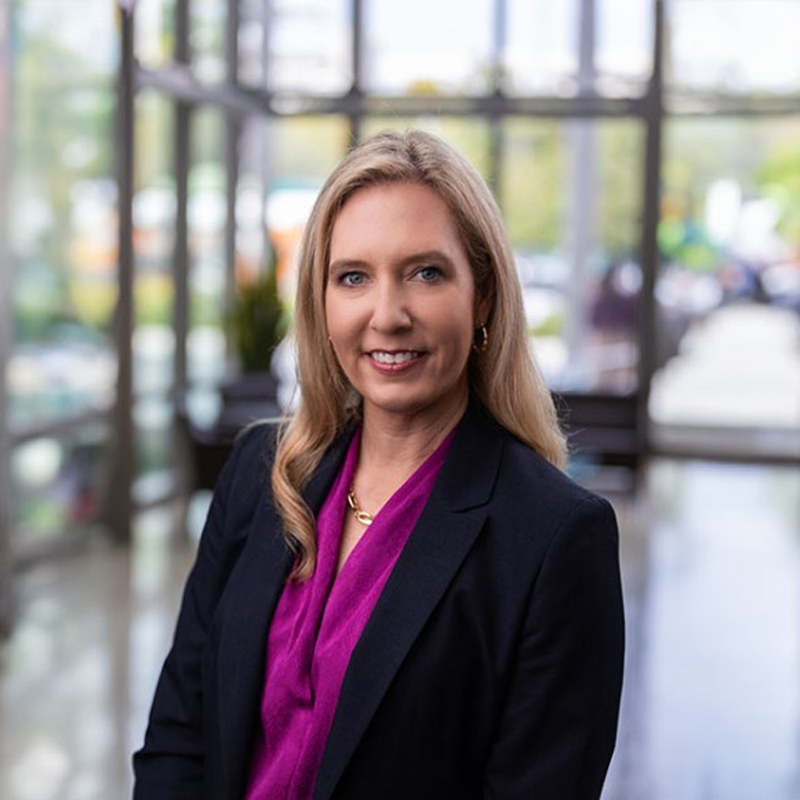
Federika Garcia Muchacho, RDN, CNSC, CSO, director of wellness and nutrition for supportive care services at Sylvester, sees firsthand how treatment side effects threaten nutrition and strength. “Food helps patients stay strong and tolerate treatment as best as possible, and it remains essential through survivorship,” she said.
Oncology dietitians tailor strategies to each patient’s specific symptoms, from nausea and appetite changes to digestive challenges. “[Patients] can’t always control the treatment they’re going to get or the symptoms they might have, but they can use food as part of their medicine to help them get through a very difficult time,” Garcia Muchacho said.
Food as Medicine for Cancer Providers
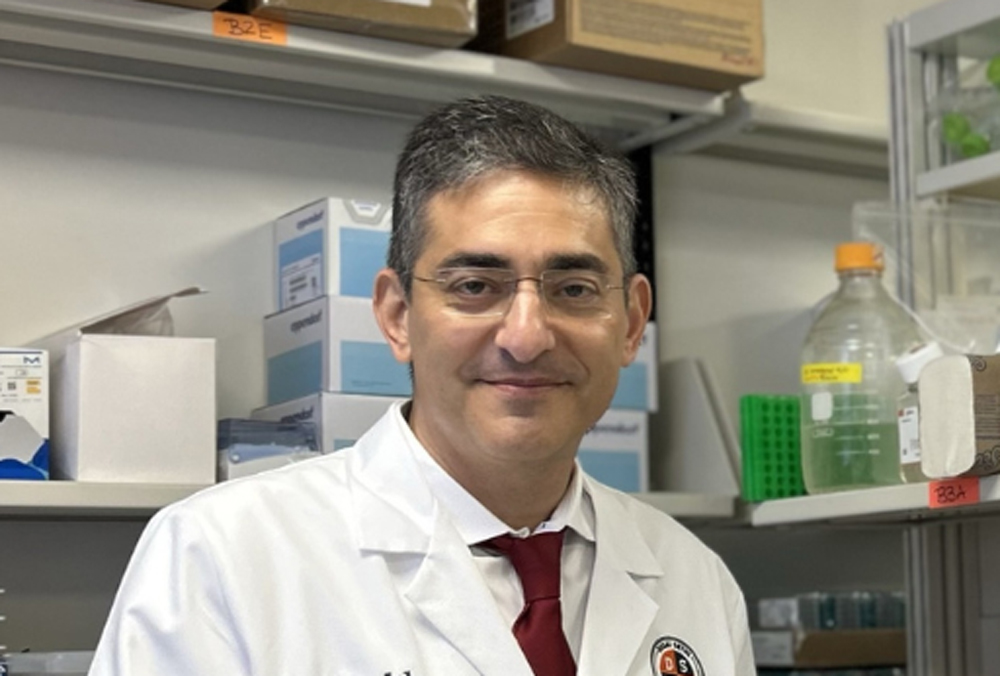
For Erin Kobetz, Ph.D., M.P.H., vice president for health promotion and chief well-being officer at Sylvester, the concept applies to staff as well as patients.
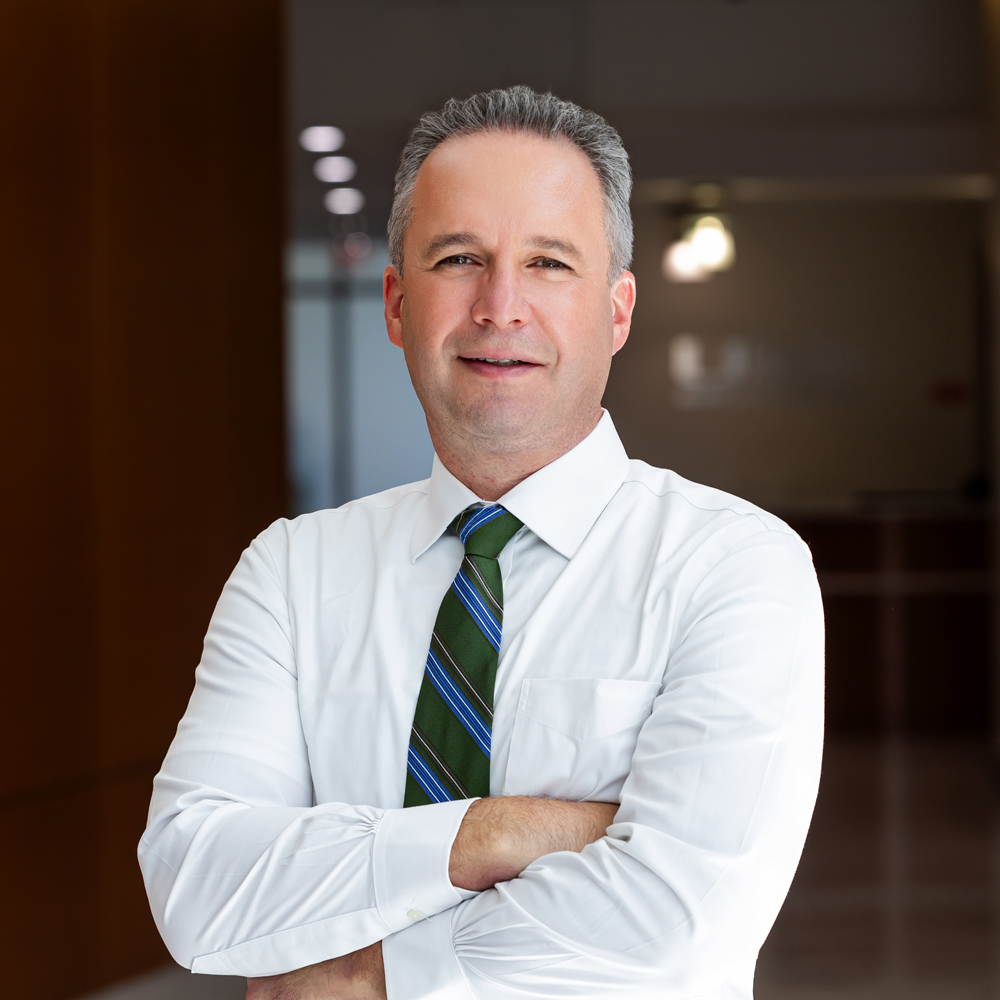
“Our workforce is a microcosm of the broader Miami-Dade community,” said Dr. Kobetz, the John K. and Judy H. Schulte Senior Endowed Chair in Cancer Research and associate director for community outreach and engagement at Sylvester.
Employees have welcomed programs like Canes for Casseroles, in which they collect and distribute nonperishable foods traditionally served at Thanksgiving, such as canned green beans, stuffing and cornbread mix. Several other initiatives are in the works, including expanding on-campus food pantries (originally created for medical students) to other employees, with affinity groups across the University stocking and sustaining the pantries.
With research expanding and new initiatives underway, Sylvester continues to redefine what it means to treat the whole patient.
“Many people today are monitoring sleep, exercise, nutrition and stress reduction to contribute to their wellness, and Sylvester values lifestyle medicine as a way to reduce cancer risk and wants to support its patients holistically. Our clinical trials have shown that a healthier lifestyle can delay recurrence.”
Desert Horse-Grant