Researchers at the University of Miami Miller School of Medicine are investigating a largely unexplored question of whether repeated exposure to inhaled aerosol e-liquids activates an immune response that alters the heart’s electrical activity in young people.
Miller School immunology researcher Pilar Alcaide, Ph.D., and co-investigator Sami Noujaim, Ph.D., a researcher at the University of South Florida, combined their expertise to seek an answer to this important question. With a one-year grant from the Saving Tiny Hearts Society, they’re investigating whether vaping-induced immune activation contributes to cardiac electrical remodeling and arrhythmias.
“We decided to put all the pieces together to see if vaping’s adverse effects may be due to induced inflammation,” said Dr. Alcaide, professor and vice chair of the Department of Microbiology and Immunology.
The findings could have widespread implications. Adolescence is a period of continued immune development, raising questions about how repeated exposure may affect young people over time. Dr. Alcaide and Dr. Noujaim also see the initial research as a foundation for future studies in people, potentially including teens who vape and children prenatally exposed to e-cigarette aerosols.
The Connection Between Vaping and the Immune System and Heart
E-cigarettes contain nicotine, flavorings and humectants such as propylene glycol and glycerin. Heating these liquids produces an inhalable aerosol that can also contain particulates and thermal byproducts.
Most of the 1.63 million (5.9%) middle school and high school students who use e-cigarettes don’t realize these chemicals are dangerous. Adolescents in the United States use e-cigarettes, or vapes, more than any other tobacco product.
When the body encounters potentially harmful substances, immune cells respond to clear the threat. If exposure persists, other immune cells, including T cells, may become activated long term, promoting chronic inflammation that may impact the heart.
The researchers hypothesize that repeated vaping could sustain this inflammatory response and ultimately affect the heart. “If you have chronic exposure, not only do things not resolve, but you also create this immune memory that remains when future vaping events occur,” Dr. Alcaide said.
Researchers already know chronic inflammation can physically affect the heart, impairing its ability to contract and relax normally. Far less is known about how immune pathways may affect the electrical signals that coordinate the heartbeat. “We know that these immune cells can make the heart very fibrotic and unable to contract or relax, but there’s this whole other electrical system in the heart that creates the rhythm,” Dr. Alcaide said.
Most of the
Middle school and high school students who use e-cigarettes don’t realize these chemicals are dangerous.
The Importance of Studying Vaping’s Effect on Heart Rhythm
Scientists don’t yet fully understand how vaping affects the heart and immune system of young people or whether it contributes to cardiovascular disease earlier in life.
Emerging clinical and experimental evidence suggests that vaping may alter the heart’s electrophysiology and is associated with heart rhythm abnormalities. Researchers still don’t know whether inflammation drives these changes. “We first need to understand how these vaping components impact the immune system and if that immune-system activation negatively impacts the heart,” Dr. Alcaide said.
To better investigate and understand these points, the project combines two areas of research that have largely developed independently. Dr. Alcaide studies how immune responses contribute to cardiovascular disease, and Dr. Noujaim studies cardiac electrophysiology and the cardiovascular effects of vaping.
“We decided to put all the pieces together to see if vaping’s adverse effects may be due to induced inflammation.”
Pilar Alcaide, Ph.D.
The Study’s Methodologies
The investigators are particularly interested in adolescents and young adults because vaping often begins at an early age, potentially creating years of repeated exposure. “Their immune system is still developing, and they’re still being exposed to new environmental insults that shape their immune system,” Dr. Alcaide said.
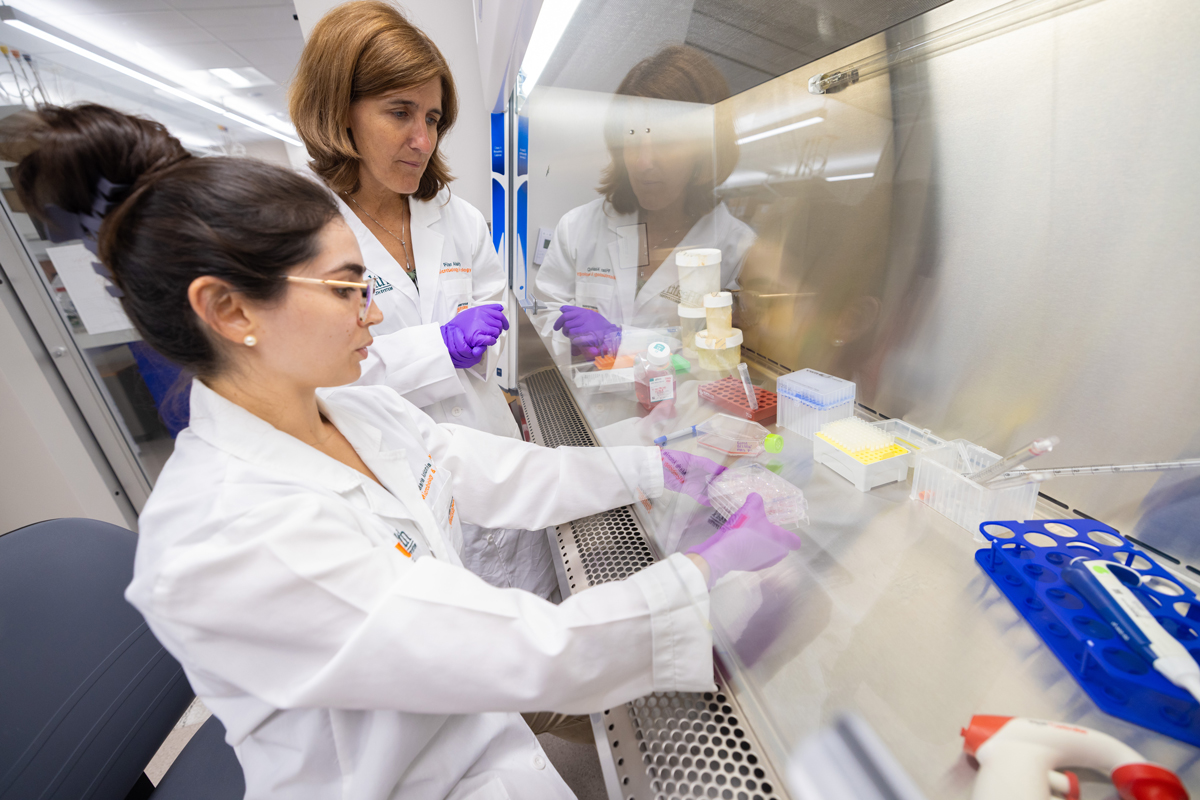
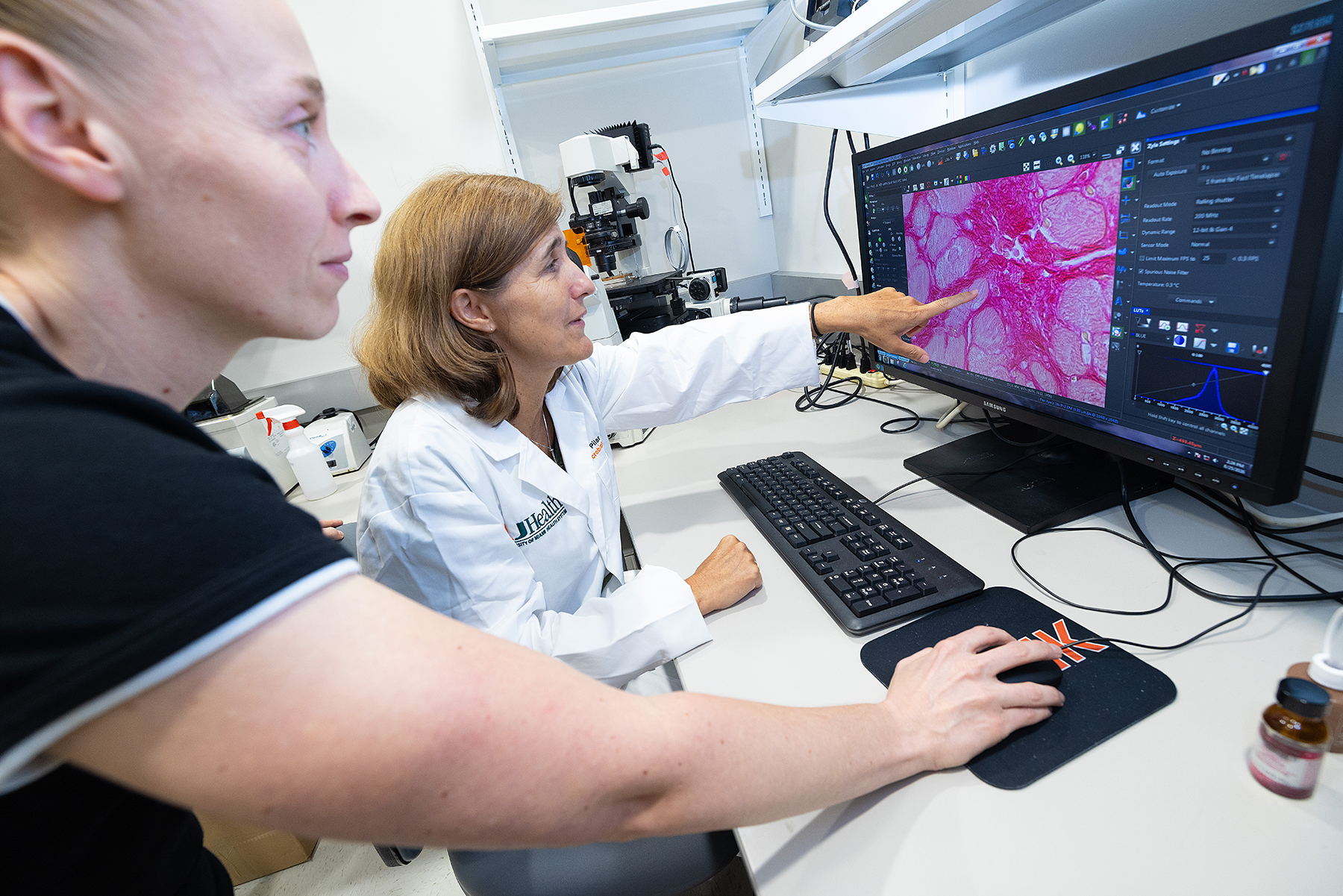
Using a controlled preclinical model established in Dr. Noujaim’s laboratory, researchers in Dr. Alcaide’s lab will study exposure to specific vaping components and measure cardiac and systemic immune changes; Dr. Noujaim’s lab will investigate changes in cardiac electrical activity to test whether specific immune alterations result in changes in cardiac electrical activity. The researchers will collaborate with immunology and cardiology researchers at the Miller School to examine immune responses in the blood, heart and immune tissues.
The second phase will move from association to mechanism. Once the researchers identify an immune pathway associated with vaping exposure, they will experimentally alter that pathway and determine whether doing so increases or decreases electrical abnormalities in the heart.
This will help determine if the immune-system activation is a cause of vaping-related cardiac changes or just a correlation, which would open new avenues to treat this condition therapeutically in vaping adolescents.
For Dr. Alcaide, the collaboration opens a new dimension of her longstanding research into how the immune system contributes to cardiovascular disease. “None of us could do this independently, because you really need combined expertise,” she said.
As parents, Dr. Noujaim and Dr. Alcaide experience firsthand the impact their research can have on schools, families and the health system. For them, it feels personal to team up to decode molecular pathways triggered by vaping in kids. “The ultimate goal and hope is that kids don’t vape, but if they do, this research guides a way to treat inflammation to prevent arrhythmias and cardiovascular disease from occurring,” Dr. Alcaide said.
Video by Franco LaTona
Headline for additional Clips
Video by Franco LaTona
“The ultimate goal and hope is that kids don’t vape, but if they do, this research guides a way to treat inflammation to prevent arrhythmias and cardiovascular disease from occurring.”
Pilar Alcaide, Ph.D.