Training the Next Generation of Heart Specialists

Training the Next Generation of Heart Specialists
The Miller School has four primary goals: medical education, clinical care, innovative research and community service. The education piece starts with medical school, continues for young M.D.s in residency training and, for some, goes even further during highly specialized fellowships.
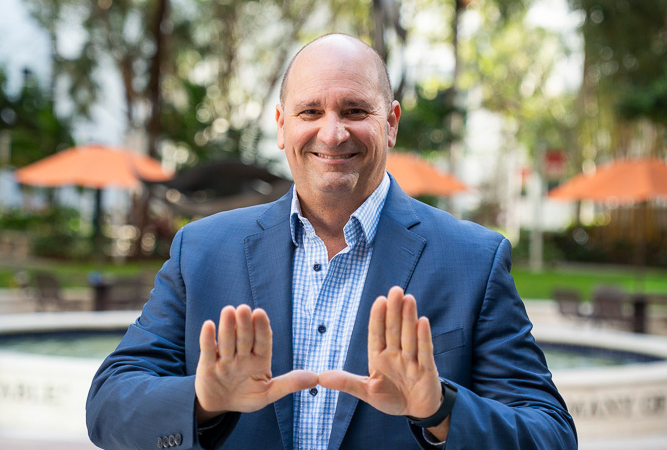
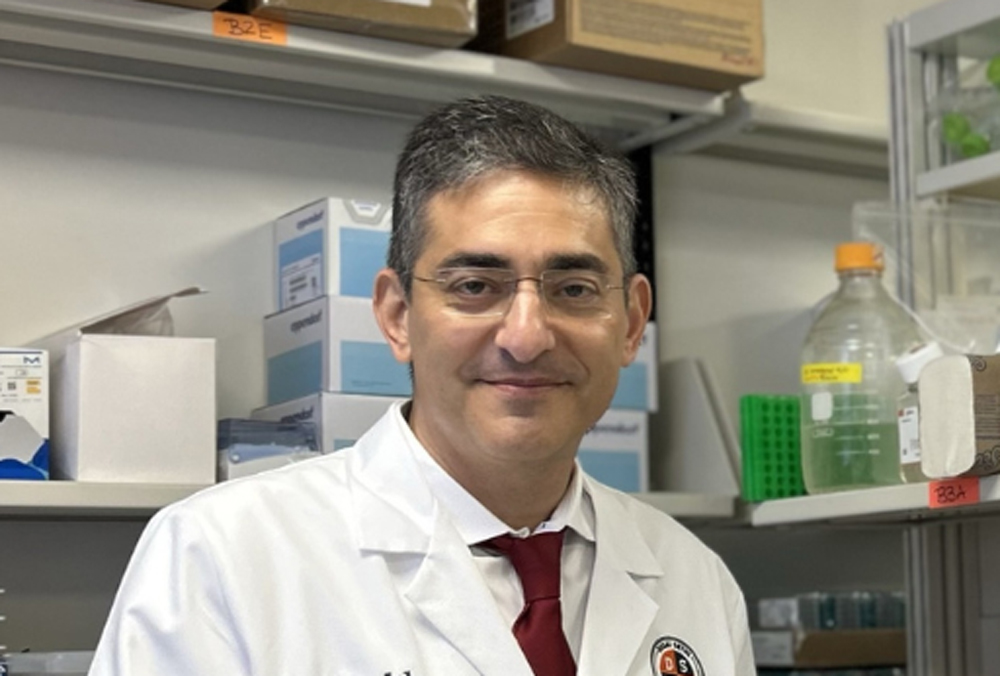
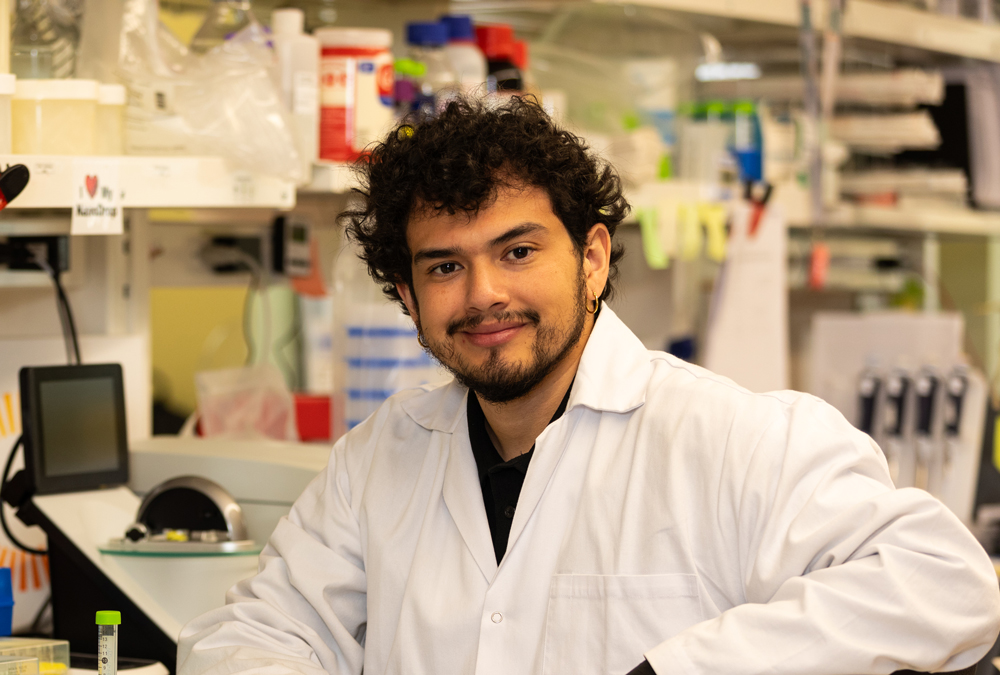
“It’s important to continuously pass on our knowledge,” said Alex Velasquez, M.D. ’10, assistant professor of cardiovascular medicine. “We need to make sure there are qualified people around to care for our children.”
Dr. Velasquez leads the Cardiology Fellowship Program, which is mainly focused on diagnosing cardiovascular disease with stress testing, EKGs, CTs and other approaches. There are also traditional fellowship programs in interventional cardiology (clearing blocked blood vessels), electrophysiology (addressing rhythm disorders) and structural heart disease (repairing valves, heart chambers and the heart wall).
In addition to his role in general cardiology, Dr. Velasquez serves on the faculty of the electrophysiology fellowship, giving him an excellent perch from which to observe how the two subspecialties complement each other.
“They need to analyze it and make their own judgments. One of the most difficult things about medical education is training people to see through the noise to what is actually happening with the patient.”
Alex Velasquez, M.D.
“The general cardiologist may look at an electrocardiogram or other diagnostic measurement and identify an arrhythmia,” Dr. Velasquez said. “But it’s a little like seeing a burning house from the outside — you can’t tell which rooms are burning or how the fire started. You can only see that by going inside the house. General cardiologists get an initial read on the problem and hand off to electrophysiologists, who use catheters to measure electrical activity inside the heart. Electrophysiologists can use ablation to extinguish the problem.”
In addition to teaching various procedures, the fellowship programs focus on helping young physicians develop their diagnostic and critical thinking skills.
“We don’t want them to simply regurgitate the information they receive,” Dr. Velasquez said. “They need to analyze it and make their own judgments. One of the most difficult things about medical education is training people to see through the noise to what is actually happening with the patient.”
Recently, the Miller School completely restructured its three-year cardiology fellowships, adding 30% more fellows and creating new fellowship positions in hypertension, advanced imaging and other areas. Miller also compressed the training so fellows can take more electives.
“This way, they have a packed two years of core training to meet all the requirements,” said Yiannis Chatzizisis, M.D., Ph.D., professor and chief of cardiovascular medicine. “The last year is reserved for electives, allowing them to go deeper into what they want to do.”